Baltic Capital City Leaders Discuss in Riga How to Turn Innovation into Everyday Urban Solutions


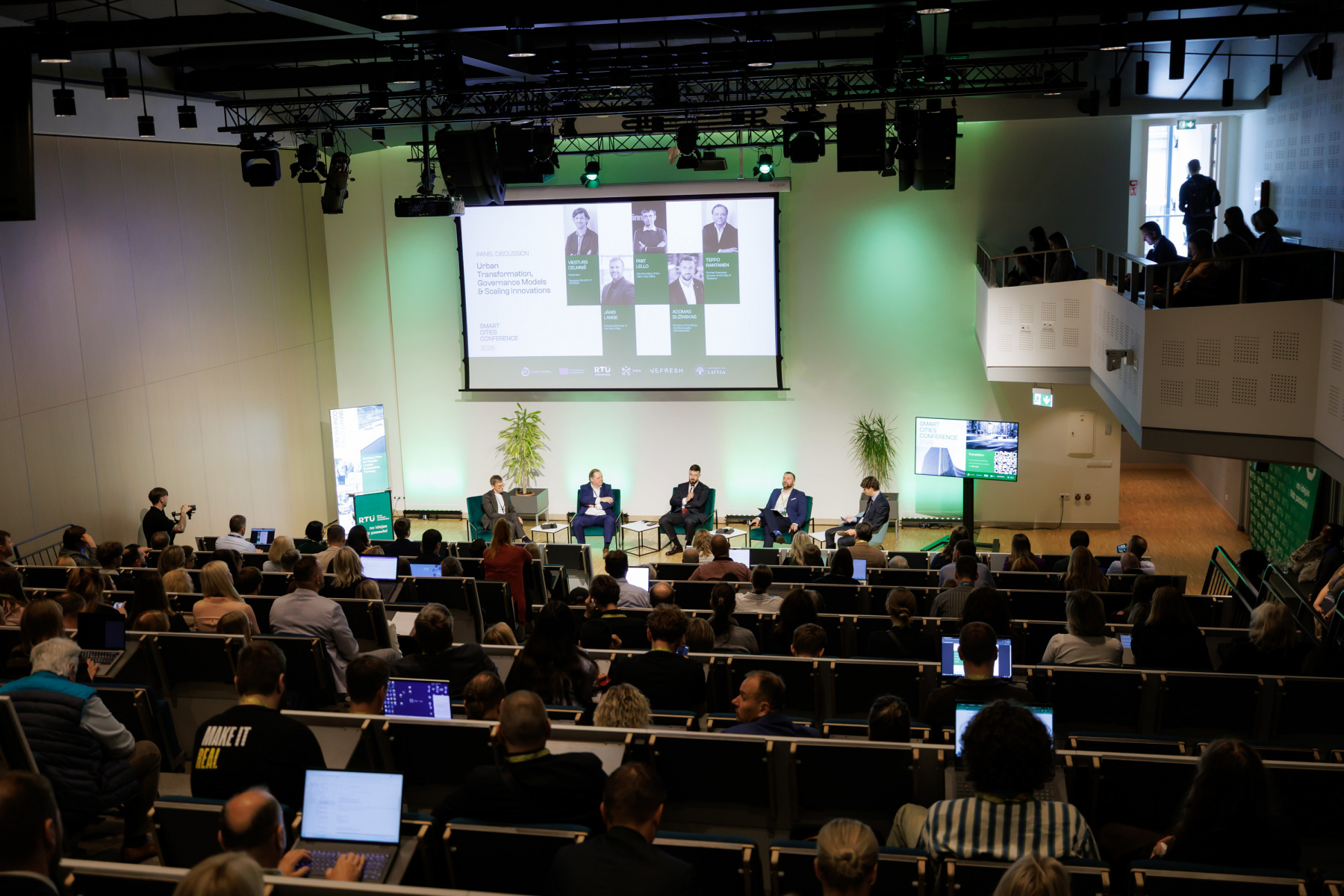
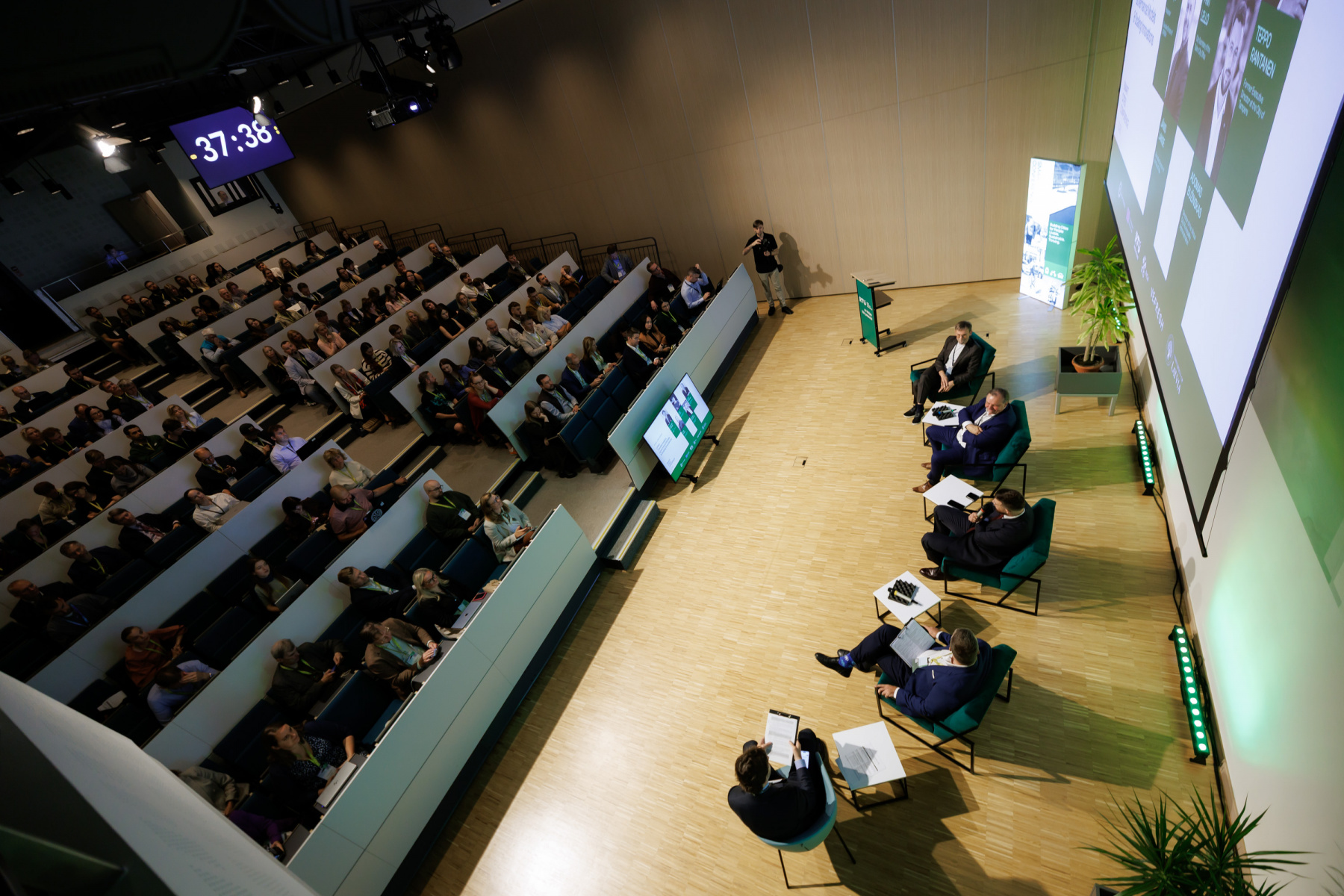
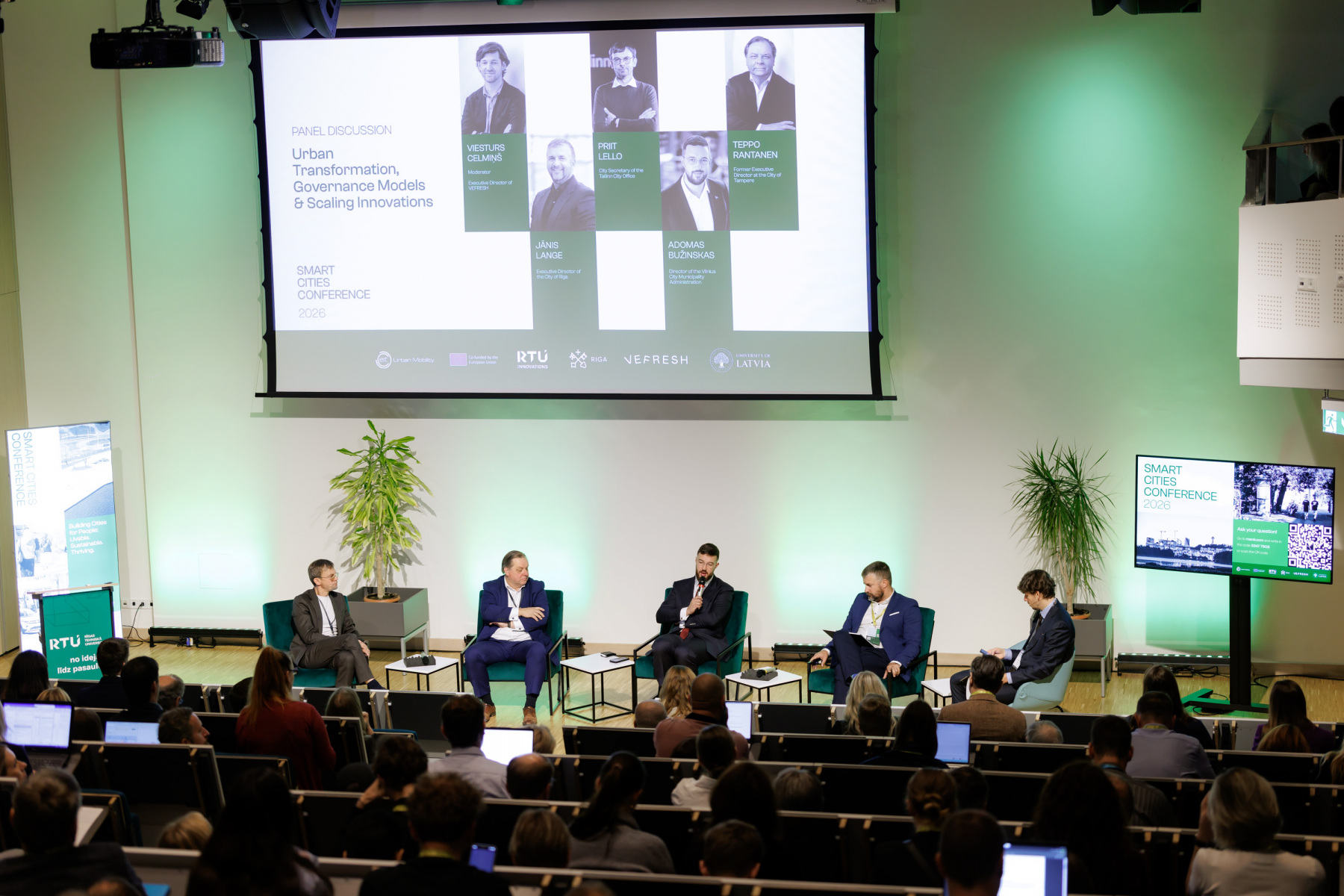
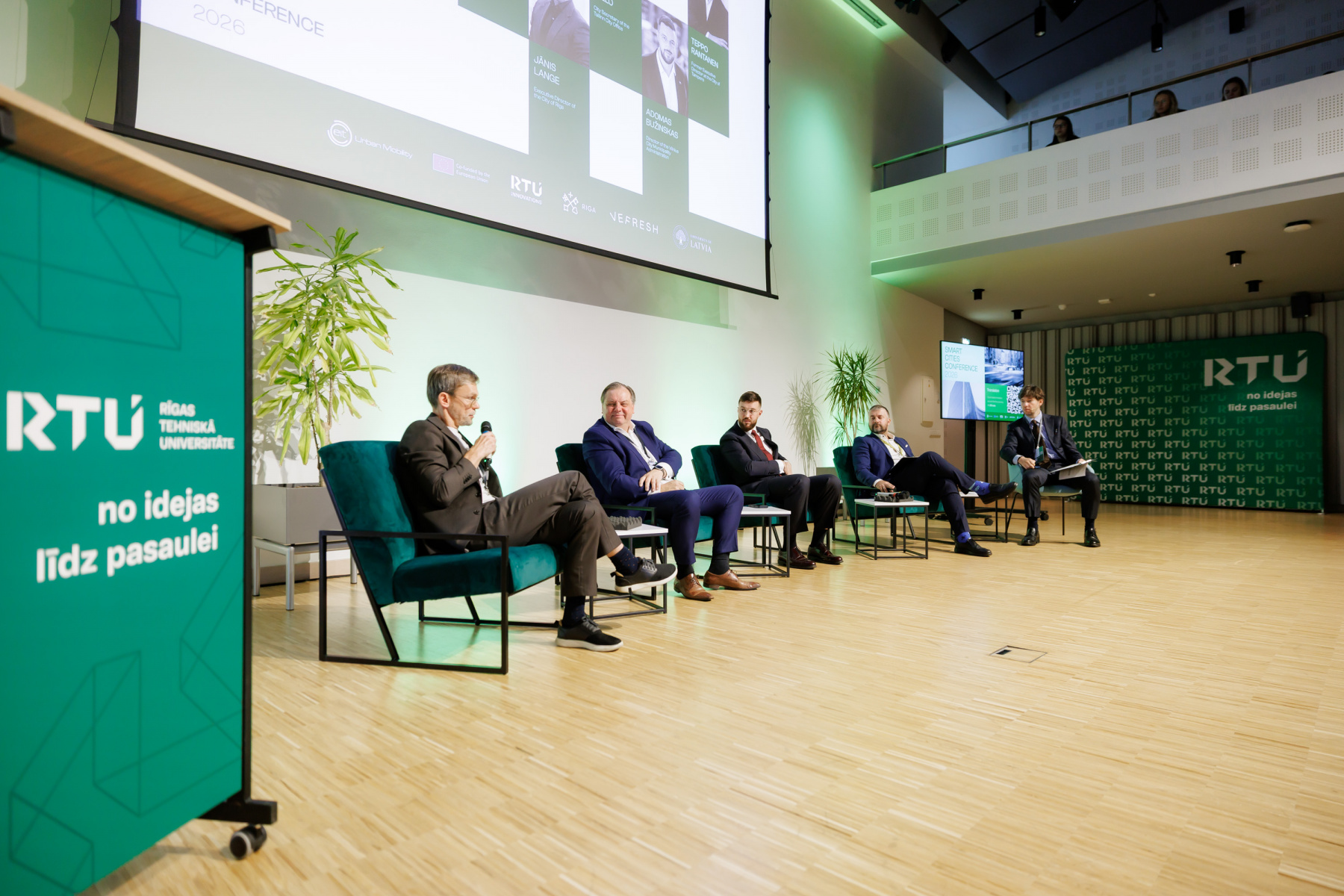
At this year’s Smart Cities Conference, city leaders from Riga, Tallinn and Vilnius, together with the former Executive Director of the City of Tampere, discussed one of the most challenging questions in urban innovation: how can successful pilots become permanent solutions that can be scaled across the city?
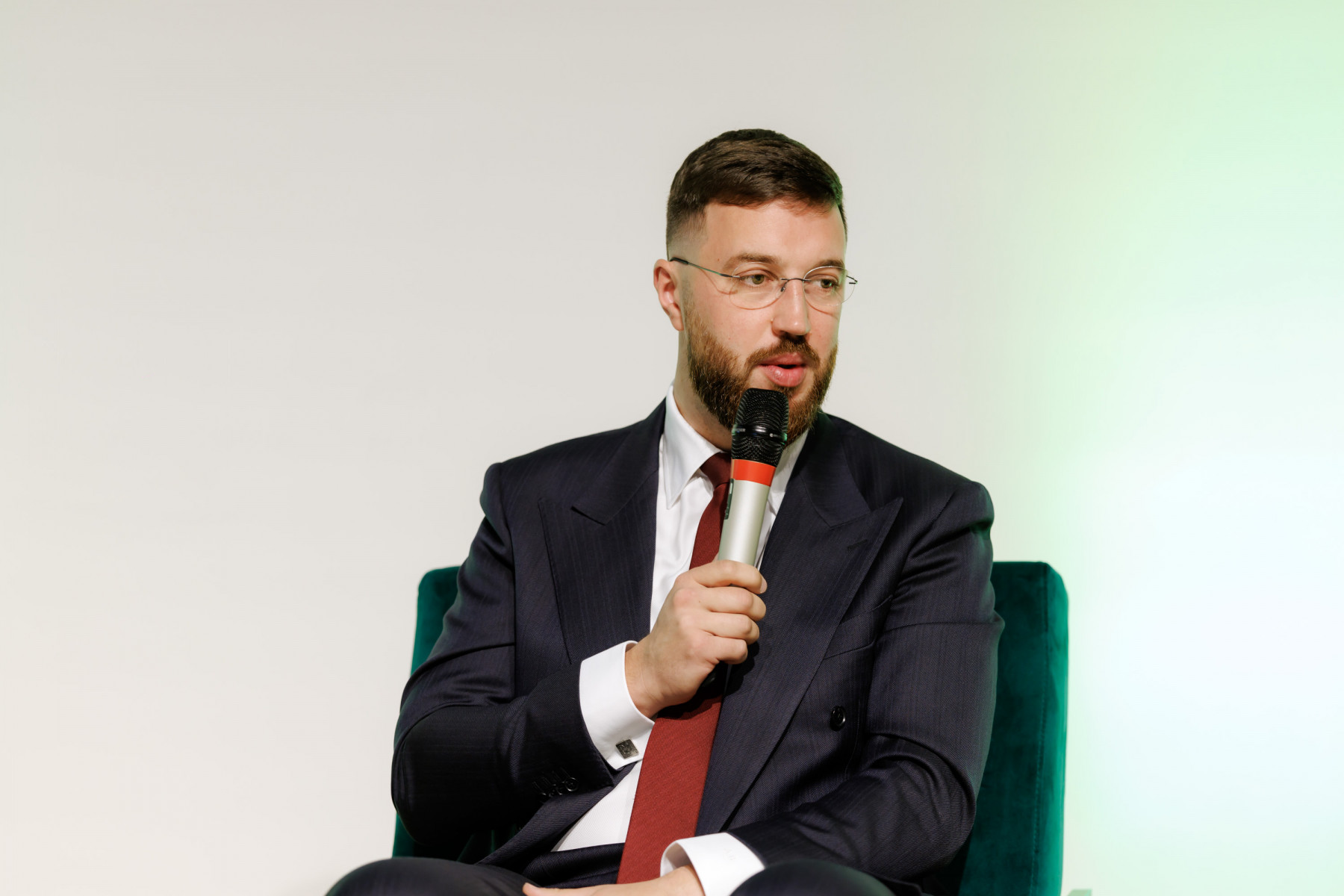
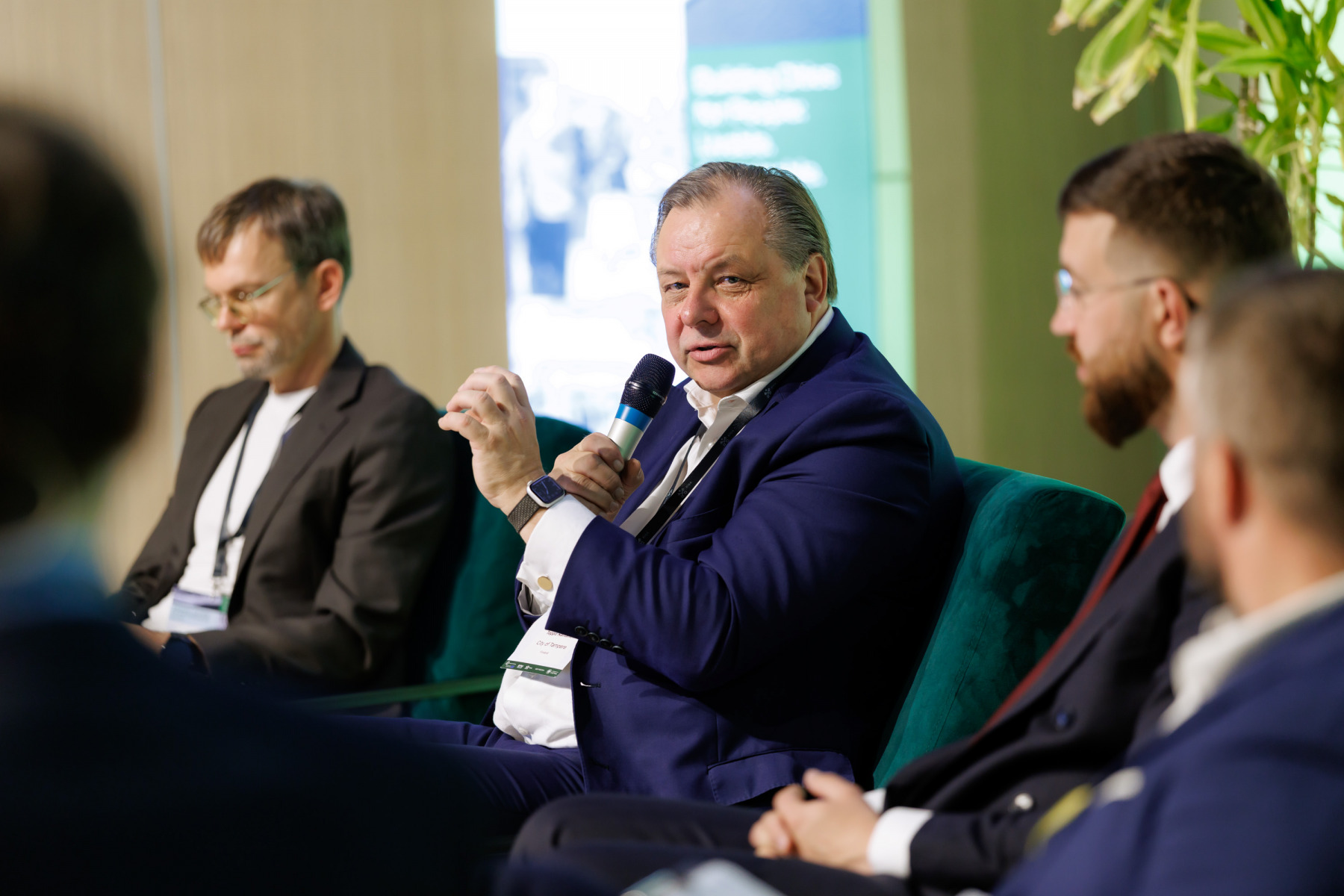
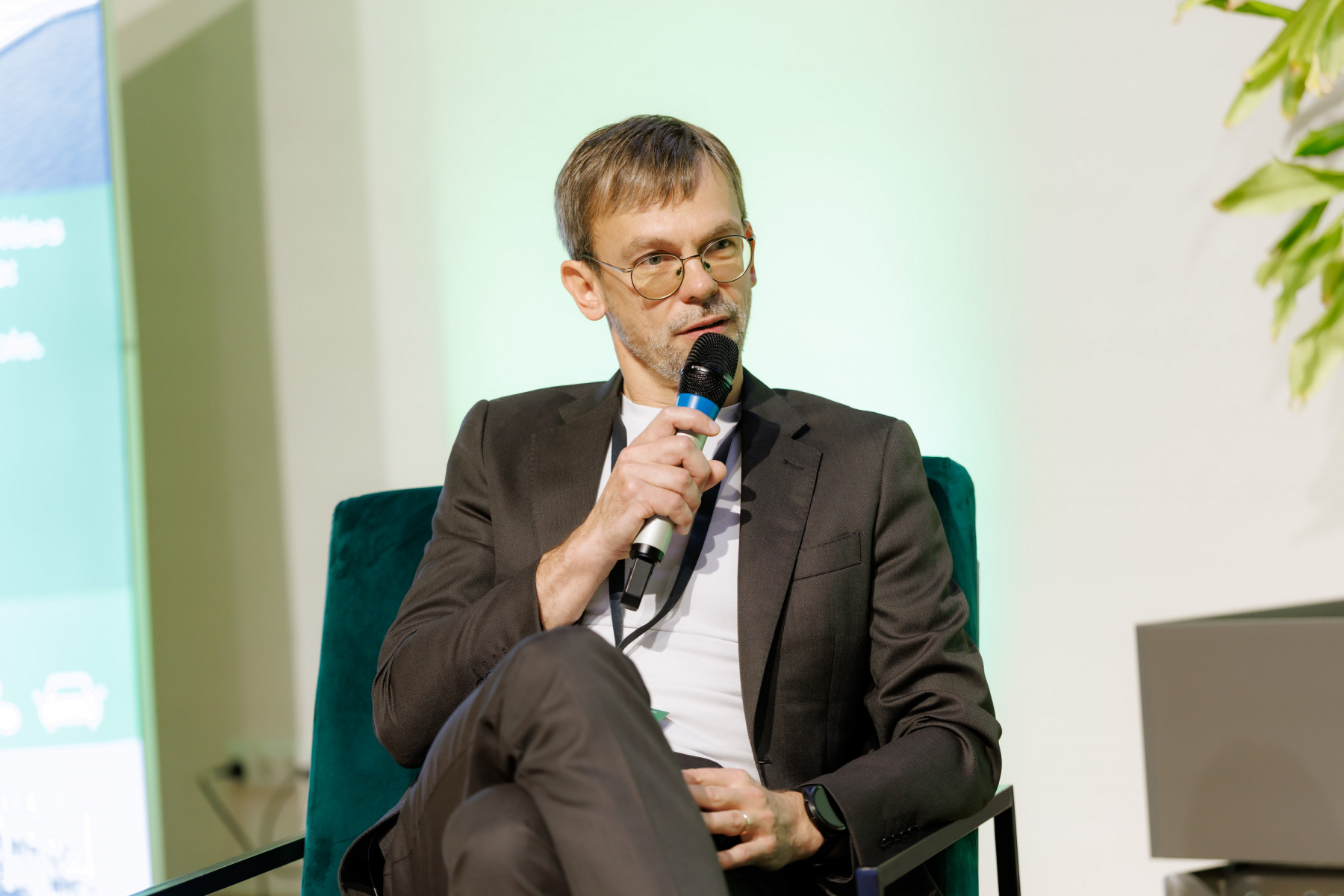
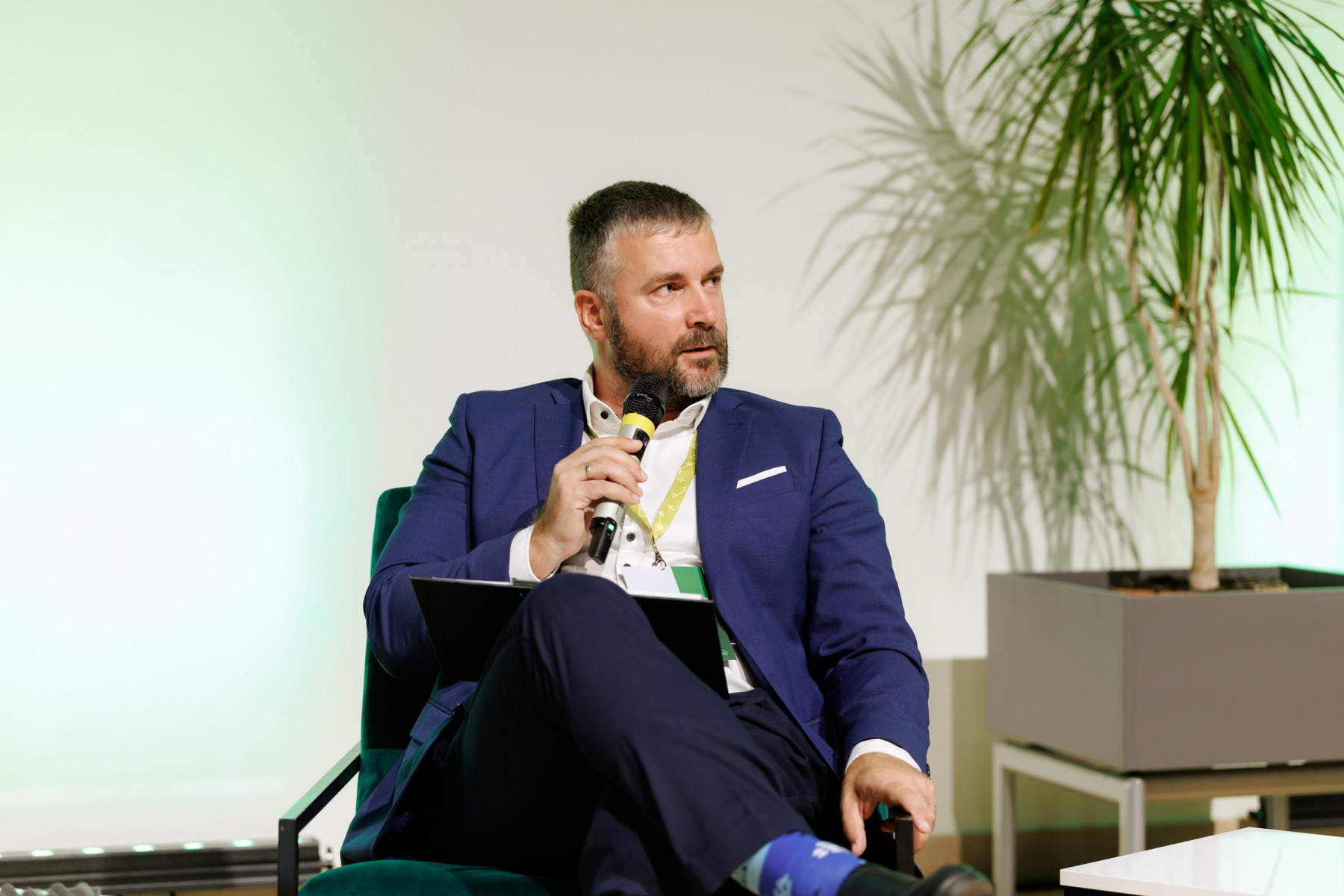
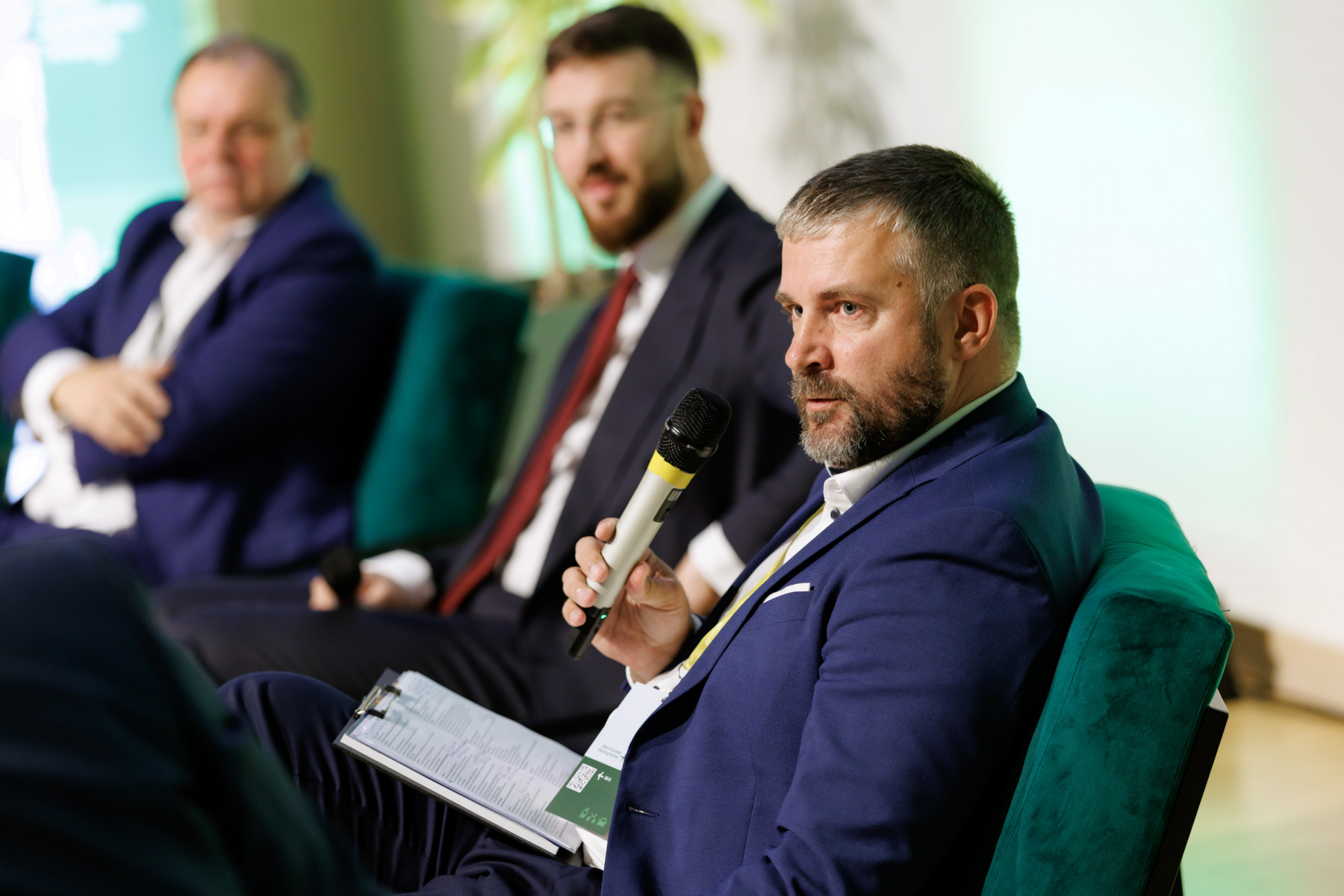
Who will take ownership of a solution after the pilot? Who will be responsible for it? How will it be financed? Are municipal processes and organisational structures ready to integrate the solution into everyday operations? These questions, rather than finding new technologies, became one of the central themes of the conference panel discussion on urban transformation, governance models and scaling innovation. The discussion brought together Jānis Lange, Executive Director of the City of Riga; Priit Lello, City Secretary of Tallinn; Adomas Bužinskas, Director of the Vilnius City Municipality Administration; and Teppo Rantanen, former Executive Director of the City of Tampere.
At the heart of the discussion was a shared challenge: why do cities with no shortage of ideas or pilot projects still struggle to turn successful experiments into permanent and scalable urban solutions?
Riga: The Technology May Be Ready, but Is the Organisation?
Riga Executive Director Jānis Lange used the digitalisation of municipal services and the development of a unified resident portal as an example. Building the technological platform is not the most difficult part. The greater challenge is aligning processes across different municipal departments and institutions, as well as clarifying data management and responsibilities.
“If we want digital services to feel simple for citizens, we first need to make them simple within the organisation,” Lange emphasized.
This is where one of the key differences between piloting and scaling becomes apparent. Scaling means taking a successfully tested solution, implementing it more broadly and integrating it into the city’s everyday operations.
“Pilot projects are relatively easy, but scaling is much harder, because scaling requires changes in processes, governance and organisational culture,” Lange said.
Cities are not simply scaling technology. They also need to scale the organisational change that comes with it. This changes the way urban innovation should be viewed. A technically successful pilot does not necessarily mean that the city is ready to implement it. Processes, responsibilities and data flows may need to change, as may the way different parts of the municipality work together to deliver a single service.
Tallinn: Ask the Most Important Question Before the Pilot, Not After
Tallinn City Secretary Priit Lello described one of the most common challenges in urban innovation with a simple question: “What happens if it actually works?”.
This question should be asked when the pilot begins, not when it ends. It is followed by several others: Who owns the solution? How will it be implemented and organised on a permanent basis? How will it be financed? Will the organisation and its decision-making processes need to change?
Cities are relatively good at starting pilots, particularly when project funding is available. The difficulty often emerges when the project ends and the solution needs to find a permanent place in the city’s day-to-day operations. Lello noted that this is often the point at which cities discover that there is no clear owner within the organisation willing to take responsibility for the solution.
Tallinn’s approach therefore rests on several practical prerequisites: an innovation initiative needs an accountable service owner, measurable outcomes and a pathway from pilot funding to everyday operations that is considered from the outset.
Lello also offered a different perspective on what makes a city smart: “Smart cities are not created by smart technologies. Smart cities are created by competent institutions that can adapt to new solutions.”
This means that a city’s innovation capacity should not be measured simply by the number of pilots it launches. What matters more is whether the organisation is capable of adopting and using successful solutions.
The focus should therefore shift towards the value created for residents and towards organising city government around that value. “We need to think about what kind of value we can provide and organise our city administration accordingly,” Lello emphasized. Instead of looking only at what falls within the remit of an individual department, cities should also ask what value departments create together for residents.
How Can Cities Avoid the “Pilot Graveyard”?
Former Tampere Executive Director Teppo Rantanen referred to a concept well known in urban innovation: the “pilot graveyard” — a situation in which a city tests a promising solution, the pilot succeeds, but nothing happens after the project ends.
Rantanen acknowledged that Tampere has also had strong projects, including EU-funded initiatives, whose results were not subsequently integrated into the city’s everyday operations. One of the main reasons was that the people who would ultimately use or take over the solution had not been involved early enough.
“We should begin by involving the right people within the city organisation from the very start.”
When Tampere launched its Smart City initiative, nearly 100 people from different parts of the city organisation were deliberately involved. But involving people is not only about assigning responsibility. New technologies can also create uncertainty and resistance to change. Rantanen described interviews on the use of artificial intelligence that revealed concerns among both city employees and residents about the technology, its impact and potential job losses. Implementing innovation is therefore also a question of skills, organisational culture and change management.
Start with the Problem, Not the Technology
Rantanen raised another seemingly obvious question that is not always asked early enough in innovation projects: “What is the issue? What is the problem? What is the need?”. And, ultimately: “How do we create value for the citizens? I think that should be the driving force.”
Cities sometimes do the opposite: a project, funding opportunity or interesting technology appears first, and only afterwards does the organisation start looking for a problem to which it can be applied. The experience shared during the panel suggests that this sequence significantly increases the risk of ending up with a pilot that works technically but is not important enough for anyone in the municipality to take ownership of, finance and continue after the project ends.
A pilot should therefore not be assessed only by asking: Does the technology work? The more important question is: Does the solution address a real urban problem and create measurable value for residents or improve a city service? When that value is clear, the pathway towards implementation also becomes easier to define.
Vilnius: Centralisation Helps, but It Can Also Reduce Ownership
Vilnius has sought to address fragmented innovation through a more centralised approach. With around 400 institutions and approximately 35,000 employees across the wider city organisation, competences related to smart solutions, innovation and data management were concentrated in a separate entity. A catalogue of existing solutions was also created to prevent different municipal institutions and companies from developing or piloting similar solutions in parallel.
However, Vilnius also discovered the other side of centralisation. The city established an autonomous drone network with 12 autonomous drone stations, while the company involved in developing the solution also addressed the complex legal requirements associated with autonomous flights in the European Union.
Once the infrastructure was in place, however, it became apparent that city companies and institutions were not using it as actively as initially expected. The central entity had completed the difficult work, but other organisations had begun to feel less responsible for advancing the innovation themselves.
Vilnius subsequently reconsidered this approach and placed greater responsibility back with the organisations delivering city services. According to Bužinskas, the drone infrastructure is now being used for ten or more city services, including police operations.
The practical lesson is clear: a central innovation unit can provide expertise, coordination, standards and shared infrastructure, but it cannot replace the responsibility of the individual service owner for actually implementing an innovation.
Vilnius has also learned from less successful attempts to introduce innovation. Bužinskas gave the example of implementing a new project management system. City leadership had decided to introduce a new tool and essentially told the organisation that everyone would now use it.
His conclusion was straightforward: “If you do it top-down, you won’t succeed.”
Vilnius is applying this lesson to the introduction of artificial intelligence. Instead of simply instructing the organisation to use AI, the city starts by educating employees and giving them opportunities to experiment with the technology in their everyday tasks. In this way, adoption begins not with an administrative instruction but with user experience and an understanding of the practical value the technology can provide.
Vilnius’ experience also demonstrates that innovation governance is not a simple choice between centralisation and decentralisation. Shared competences and infrastructure can be organised centrally, while implementation still requires ownership and responsibility within the relevant service areas.
A City’s Innovation Capacity Should Not Be Measured by the Number of Pilots
The experiences of Riga, Tallinn, Vilnius and Tampere suggest that a city’s innovation capacity should not be assessed simply by how many new technologies it tests. A more meaningful measure is how many of those experiments the city is able to turn into real services or integrate into everyday operations.
The panel discussion highlighted several practical questions that cities should consider before launching their next pilot:
- If the pilot works, what happens next? From the outset, there should be clarity about who will own the solution, how it will be integrated into everyday operations and how it will be financed.
- Are the people who will eventually use the solution involved from the beginning? Service owners and end users should not be brought in only at the end of the project.
- What measurable value will the solution create? Technological novelty is not an outcome in itself. Cities need to assess the impact on services, processes and residents’ quality of life.
- What should be coordinated centrally, and what should remain the responsibility of individual service areas? Shared expertise, standards, data and infrastructure can be centralised, but responsibility for implementation needs to remain close to the service owner and end user.
- What have other cities already learned about the same challenge? Cities face many similar problems. Sharing failures and lessons learned can be just as valuable as sharing successful solutions.
This is where cooperation between Baltic and Nordic cities becomes particularly valuable. When cities face similar challenges, knowledge exchange should go beyond showcasing successful pilots. There is equal value in comparing governance models, unsuccessful experiments and organisational barriers, and in identifying the factors that have helped a pilot become an established city practice or an everyday service.