BSR ELECTRIC: Fostering E-mobility Solutions in Urban Areas in the Baltic Sea Region

Status: Realized projects

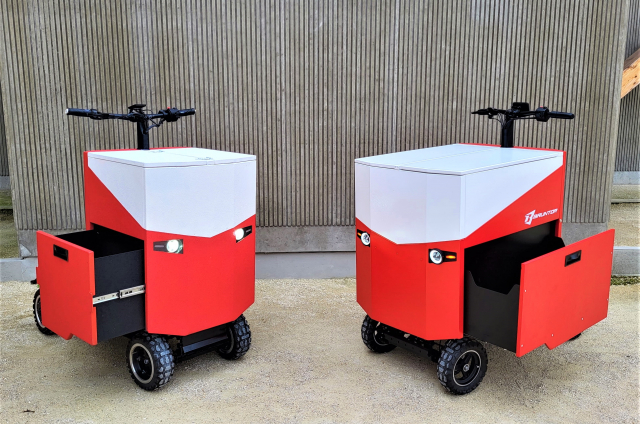
Project BSR Electric fosters the development of electric transport in cities in the Baltic Sea region, demonstrating various e-mobility solutions such as electric delivery cars, e-bikes, e-buses, e-scooters and e-boats.
The Significance of the Project for Riga
The European Union has set a target to abandon traditional fossil fuels in urban transport by 2050, meaning cities must look for alternatives.
So far, the biggest focus has been on the development of electric cars, but e-mobility offers many more opportunities:
✔ Electric delivery vans and trucks and electric cars that reduce CO ₂ emissions in logistics and urban environments;
✔ E-bikes to help residents navigate the city centre with ease;
✔ E-buses that make public transport even more environmentally friendly;
✔ E-scooters that improve access to places where conventional transport is not convenient, such as hospitals and cemeteries;
✔ Electric ferries and water taxis to complement the public transport network.
Target of the Project
Foster the use of e-mobility solutions in cities to reduce pollution and improve transport efficiency.
Benefits for Residents
✔ Cleaner air and less noise, reducing the use of traditional transport;
✔ More convenient and environmentally friendly mobility – more electric vehicles;
✔ Improved mobility for people with mobility impairments by providing e-scooters in hospitals and other public locations;
✔ Custom solutions for different urban needs such as logistics, public transport and micromobility.
Project Activities
✔ Research into the technical state and potential of E-mobility;
✔ Implementation of pilot projects demonstrating e-mobility opportunities;
✔ Exchange of experiences between cities, training seminars and visits;
✔ Development of thematic recommendations and guidelines to facilitate the introduction of e-mobility in other cities.
Testbed Territory in Riga
🔹 E-scooter testing at Riga 1st Hospital – helped patients and staff move faster in hospital area;
🔹 Use of E-scooters in Riga Matisa cemetery – provided access for disabled visitors and facilitated the movement of workers.
Project Results
✔ Tested different e-mobility solutions and assessed their effectiveness;
✔ Valuable lessons learned from the use of e-mobility in different urban situations;
✔ Created guidelines to help other cities implement e-mobility more effectively.
Funding, Duration, and Partners
Funding source: Interreg Baltic Sea Region Programme 2014 – 2020
Total budget of the project: EUR 3 800 000
Total budget for Riga: EUR 230 000
EU financial envelope for Riga municipality: EUR 195 500
Co-financing by Riga municipality: EUR 34 500
Implementation Period: 01.10.2017 – 30.09.2020
Project Partners: Lead partner – Hamburg University of Applied Sciences (DE), Turku University of Applied Sciences (FI), ATI Küste GmbH Association for technology and innovation (DE), Høje-Taastrup Municipality (DK), Lindholmen Science Park AB (SE), Zero Emission Resource Organisation (ZERO) (NO), Green Net Finland (FI), Helsinki Region Environmental Services Authority HSY (FI), Institute of Baltic Studies (IBS) (EE), Tartu City Government (EE), LTD Ardenis (LV), Riga City Council (LV), City of Gdansk (PL),Urban Transport Administration Gothenburg (SE), Free and Hanseatic City of Hamburg, Borough of Bergedorf (DE)
Contact Information
Evita Riekstiņa
Manager of BSR Electric project
Riga Energy Agency
Email: evita.riekstina@riga.lv
Project Links
Implementation of E-mobility solutions in urban areas in the Baltic Sea Region (BSR Electric) – Riga Energy Agency
About the BSR-Electric project

Related Projects
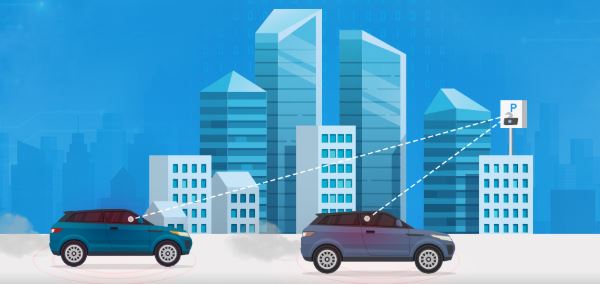

Expansion of the Municipal Air Quality Monitoring Network and Low-Emission Zones Efficiency Assessment
Read more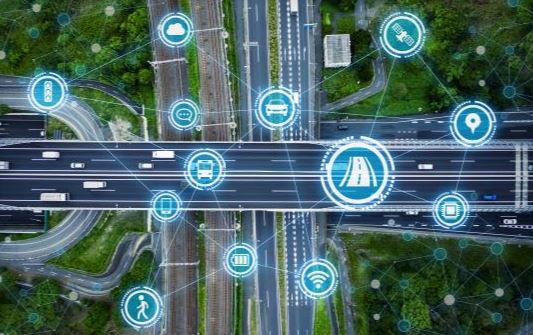


AURORA – Urban Planning Solutions for Climate Resilience and Quality of Life Improvement in the EU Boreal Region
Read more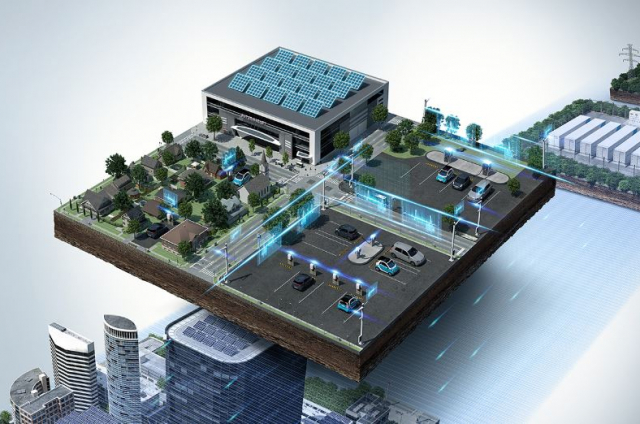
EnergyGuard: Developing Large-Scale AI Testing and Experimentation Facilities for Energy Infrastructure Solutions
Read more