The aim of the TRACER-X project (Strengthening Multimodal Transport Through First- and Last-Mile Solutions) is to improve everyday mobility in cities across the Baltic Sea Region by developing sustainable first- and last-mile solutions, promoting the integration of different modes of transport, and reducing CO₂ emissions. The project involves implementing innovative mobility solutions, assessing their impact, and facilitating the exchange of experience between participating cities in order to support the further development and replication of the most successful solutions in other areas.
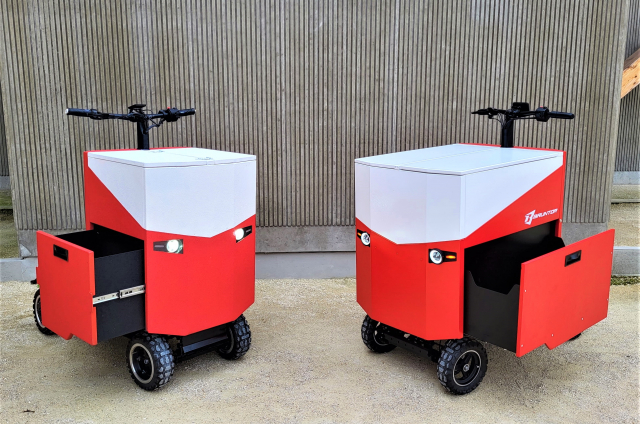
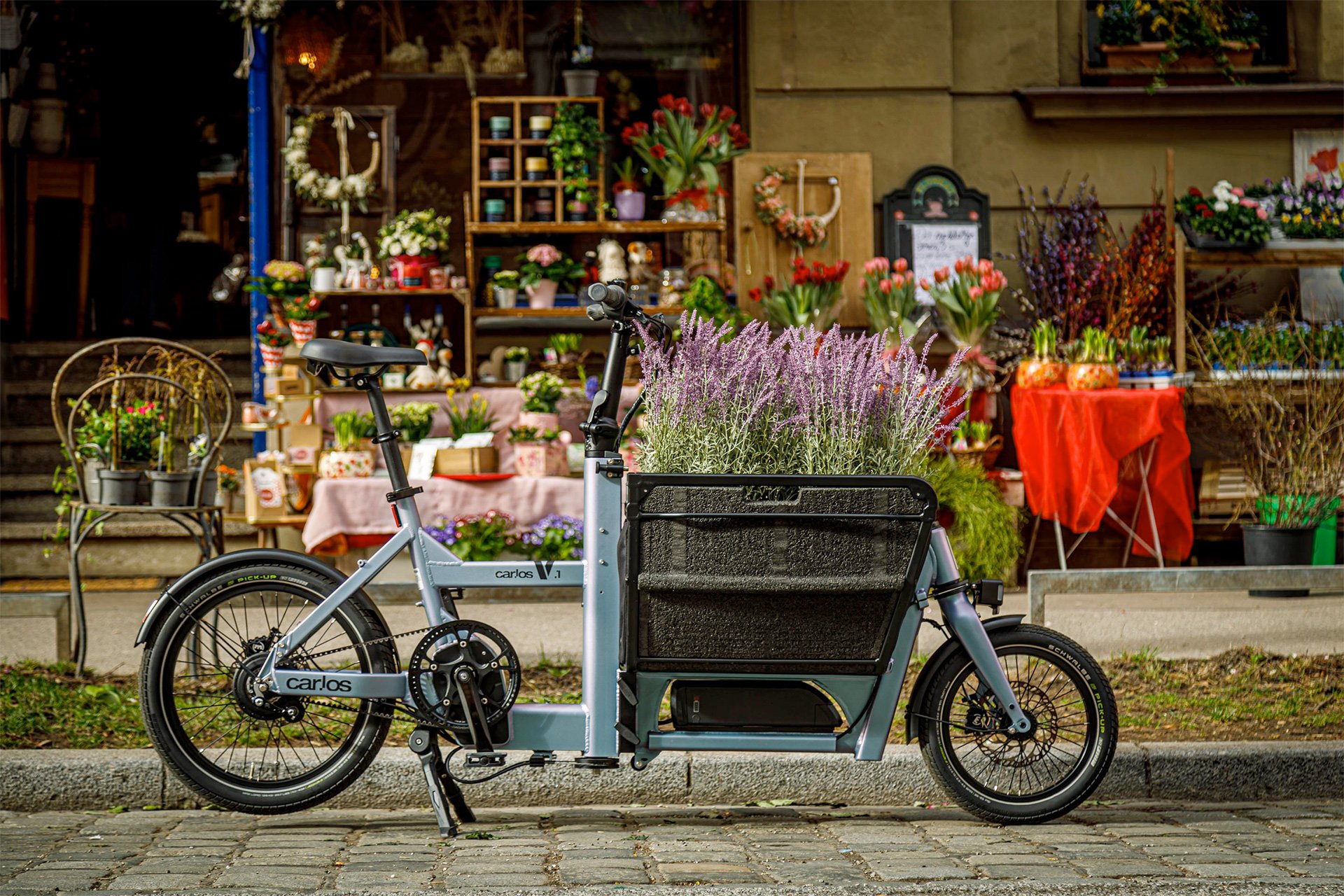
Involvement of Riga State City Municipality in the project focuses on piloting a cargo bike-sharing solution. In Riga, at least one cargo bike-sharing station with at least 5 cargo bikes is planned to be established to test their potential for small-scale freight transport. During the pilot project, demand, user needs, and the practical application of the solution in the urban environment will be assessed. The experience and data gathered will help evaluate the potential of cargo bike-sharing for developing sustainable urban logistics in Riga.
The Need for and Importance of the Project for Riga
One of the challenges to sustainable mobility in cities across the Baltic Sea Region is the lack of adequate first- and last-mile connections and dependence on private motor vehicles. The TRACER-X project addresses these challenges by promoting the development of environmentally friendly transport alternatives, improving the accessibility of mobility solutions, and fostering cross-border cooperation.
In Riga, particular attention will be given to cargo bike-sharing as an alternative for small-scale freight transport. This solution can provide residents and businesses with additional opportunities to transport goods without using a car and promote more environmentally friendly urban logistics. The pilot project will enable the practical assessment of demand for the solution and its suitability for Riga’s conditions, as well as the collection of data to inform future decisions on its development. Participation in the international project will provide an opportunity to benefit from the experience of other cities and contribute to achieving CO₂ emission reduction targets.
Project Objective
The overall objective of the project is to strengthen sustainable and multimodal mobility in cities across the Baltic Sea Region by improving first- and last-mile connections, piloting innovative mobility solutions, and promoting cross-border cooperation in their development.
The objective of the Riga pilot project is to test demand for and the practical application of a cargo bike-sharing solution, assess its potential for small-scale freight transport, and gain experience to support the further development of sustainable urban logistics.
Benefits for Riga Residents
✓ Additional opportunities to transport small loads without using a car;
✓ A more environmentally friendly alternative for certain types of goods transport within the city;
✓ New opportunities for residents and businesses to use a cargo bike-sharing service;
✓ Potential reductions in CO₂ emissions and the burden of motor traffic on the urban environment;
✓ A data- and user experience-based approach to developing cargo bike-sharing solutions;
✓ The opportunity to apply knowledge gained through international cooperation to future mobility and urban logistics planning.
Project Activities
The overall project activities involve identifying urban mobility challenges, selecting and implementing pilot interventions, assessing their impact, and promoting the replication of successful solutions in other cities. Another important component of the project is strengthening cooperation between cities and their capacity to provide support, thereby facilitating the testing of innovative solutions in real urban environments.
The following activities are planned as part of the Riga pilot project:
✓ Establishment of a cargo bike-sharing station in Riga;
✓ Provision of at least 5 cargo bikes for public use;
✓ Testing demand for cargo bikes and usage patterns;
✓ Assessment of the solution’s suitability for the needs of residents and businesses;
✓ Data collection and evaluation of user experience;
✓ Cooperation with local mobility service providers and cross-border exchange of experience with the project’s partner cities;
✓ Evaluation of the pilot project’s results and preparation of recommendations for the further development of the cargo bike-sharing solution.
Project Implementation Area
The project as a whole is being implemented in cities across the Baltic Sea Region, in cooperation with municipalities and other partners. The Riga pilot project will be implemented within the administrative territory of Riga State City Municipality. The specific location of the cargo bike-sharing station will be determined at a later stage.
Project Results
At the overall project level, the expected results include improved first- and last-mile connections, the promotion of sustainable mobility solutions, reduced CO₂ emissions, and stronger cooperation between cities in testing and replicating innovative solutions.
The planned results of the Riga pilot project are:
✓ At least one cargo bike-sharing station established in Riga;
✓ At least 5 cargo bikes made available for public use;
✓ Data collected on demand for cargo bikes, usage patterns, and user needs;
✓ The potential of the solution for small-scale freight transport and the development of sustainable urban logistics assessed;
✓ International experience compiled and recommendations prepared for the further development of the cargo bike-sharing solution in Riga.
Funding
Funding source: Central Baltic Programme 2021–2027.
Total project budget: Approximately EUR 4,000,000 for the entire international project.
Project implementation period: The planned duration of the international project is 36 months.
Project partners: Lead partner – Forum Virium Helsinki; partners include the City of Stockholm, the City of Tallinn, Riga State City Municipality, and other organisations from the region.
Contact Information:
Klāvs Balamovskis-Kalniņš
Geomatics Administration
Smart City Development Division
Riga City Development Department
Senior Project Manager
Email: klavs.balamovskis-kalnins@riga.lv
Related Projects