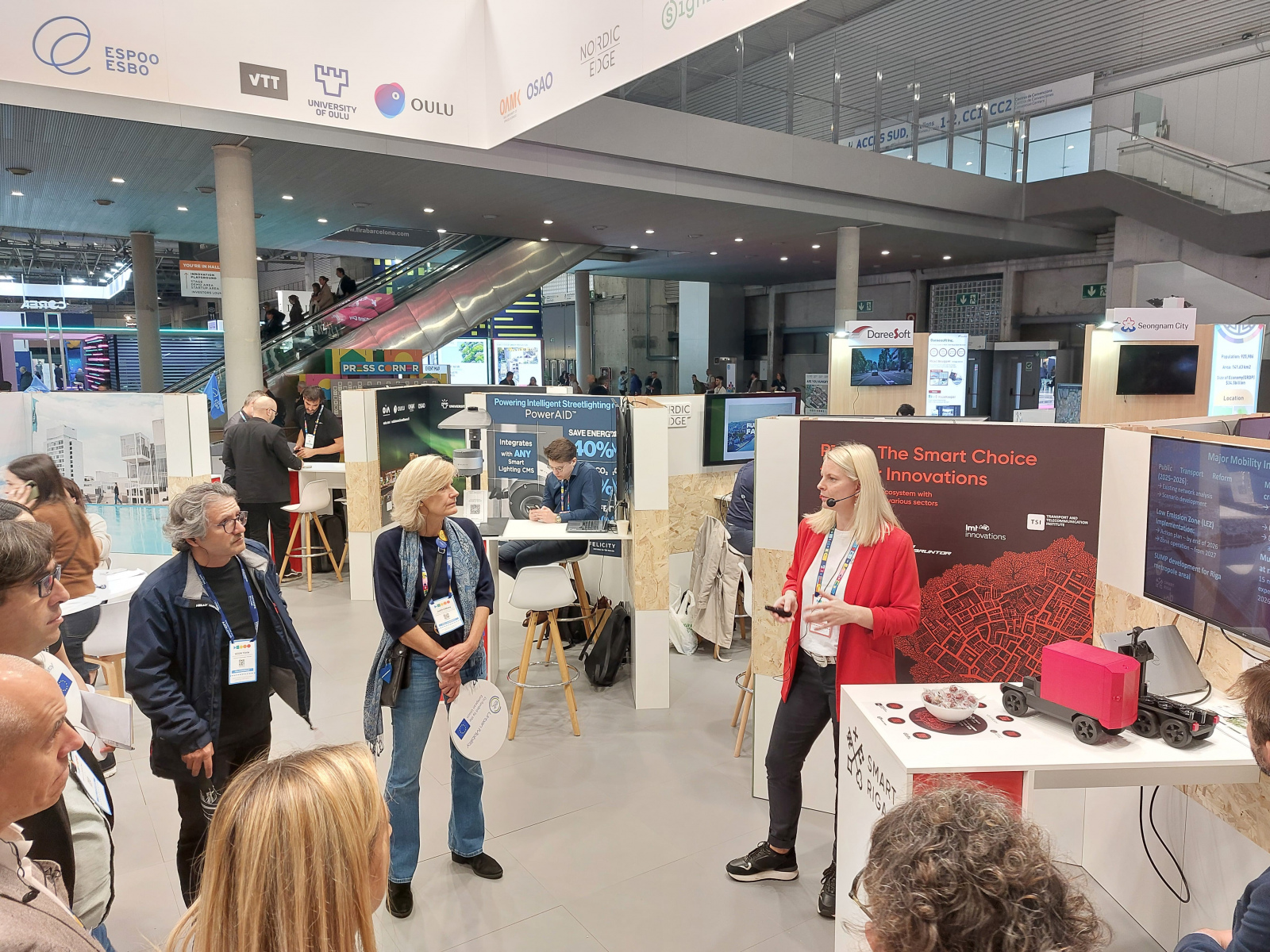
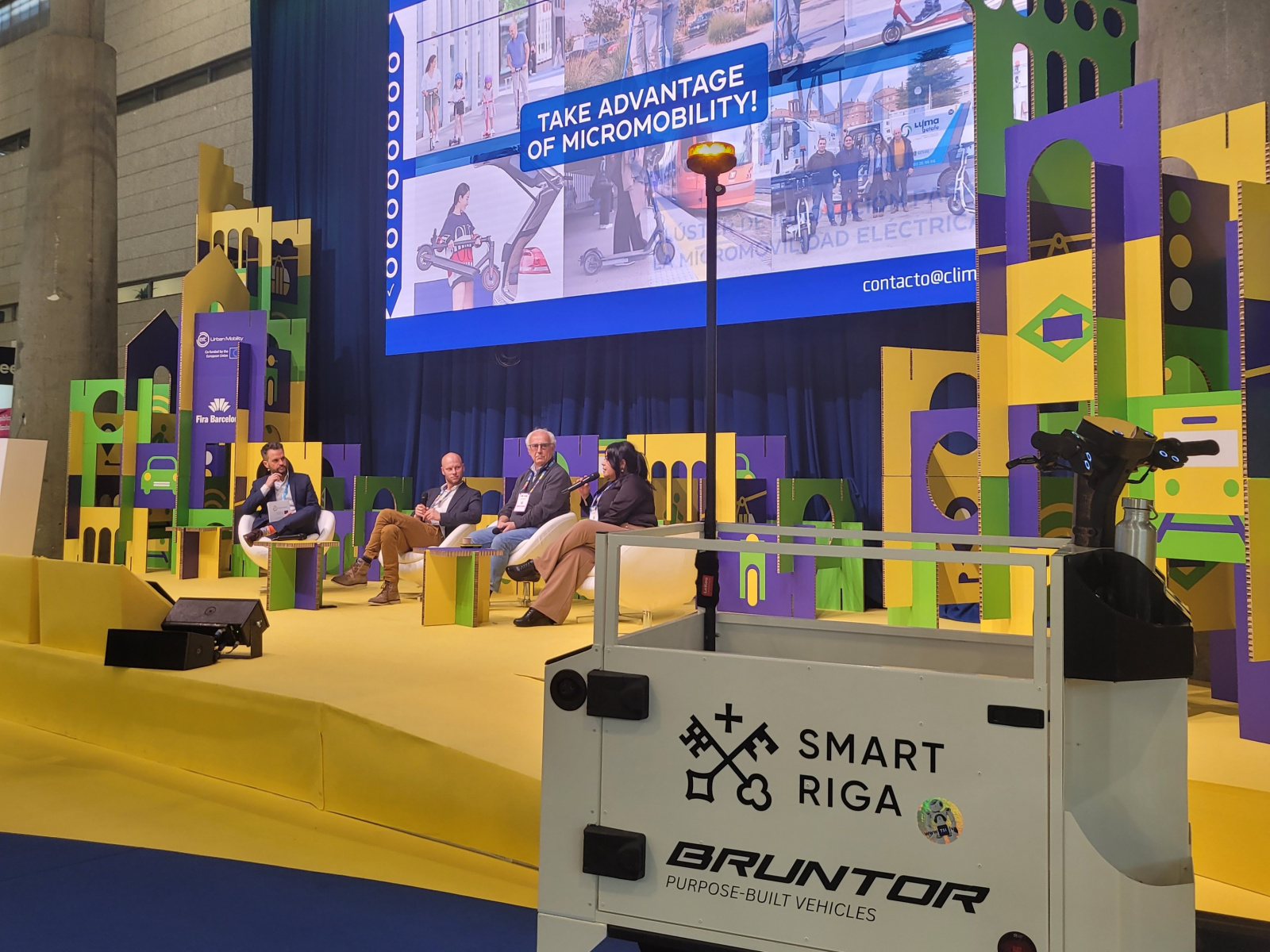
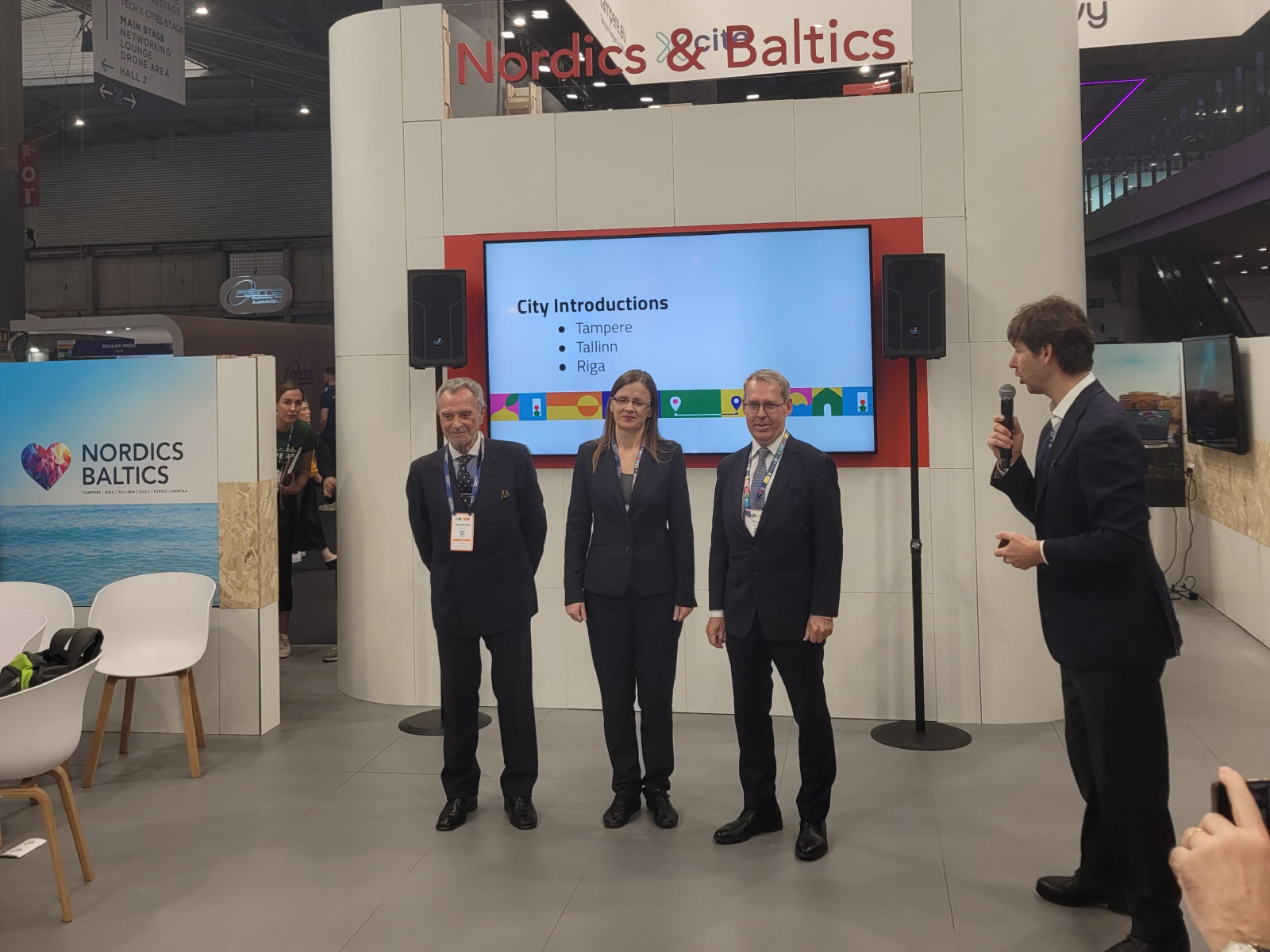
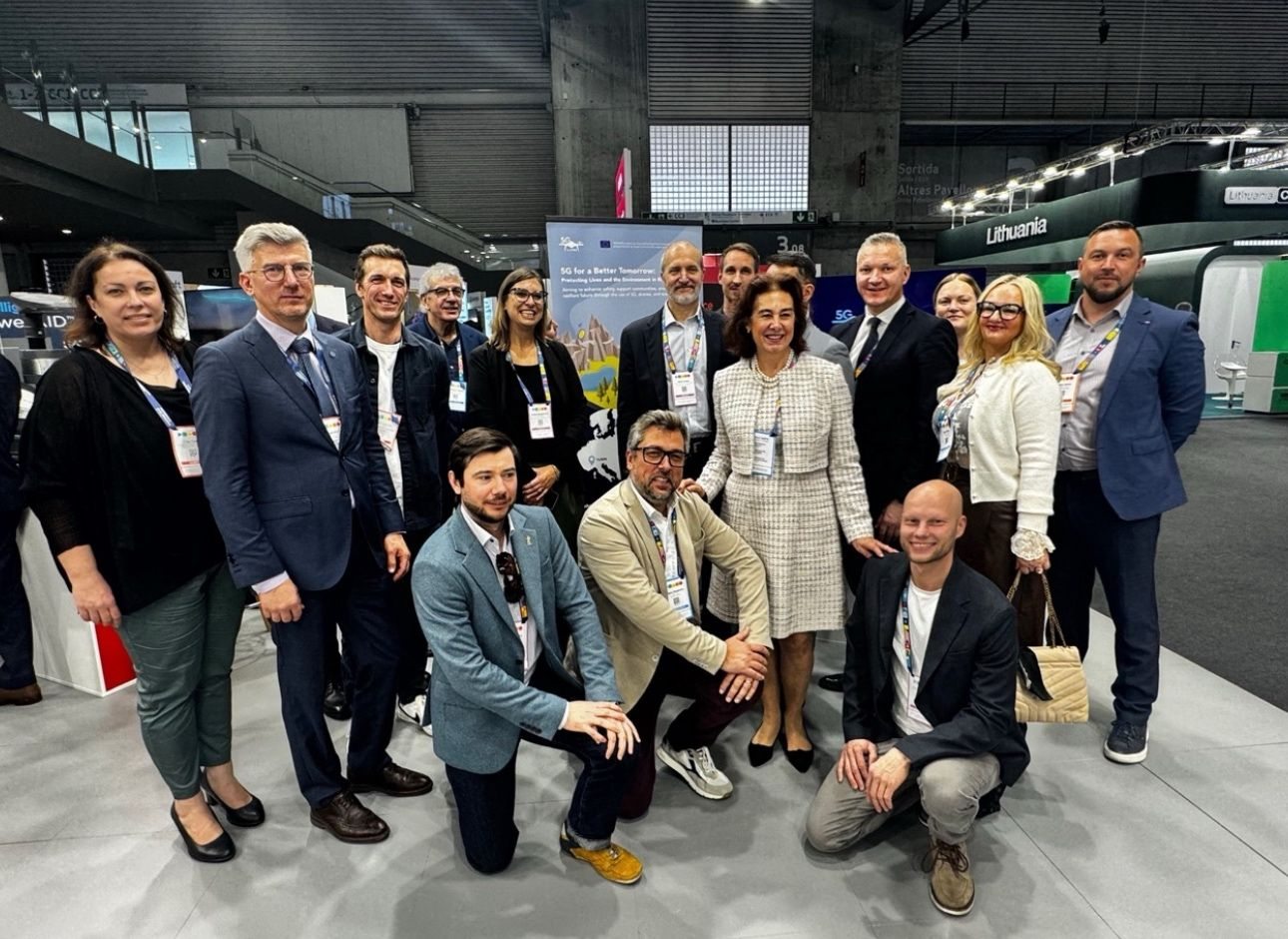
From November 4–6, 2025, Riga participated in the Smart City Expo World Congress in Barcelona — one of the world’s largest annual events dedicated to urban smart solutions and innovation. The event gathered more than 27,000 participants, 592 speakers, and representatives from over 140 countries.
This marked the fourth time Riga participated with its own stand. However, for the first time, Riga presented its Innovation Ecosystem in collaboration with partners from the academic, public, and private sectors.

Riga — Part of the Nordic & Baltic Innovation Community

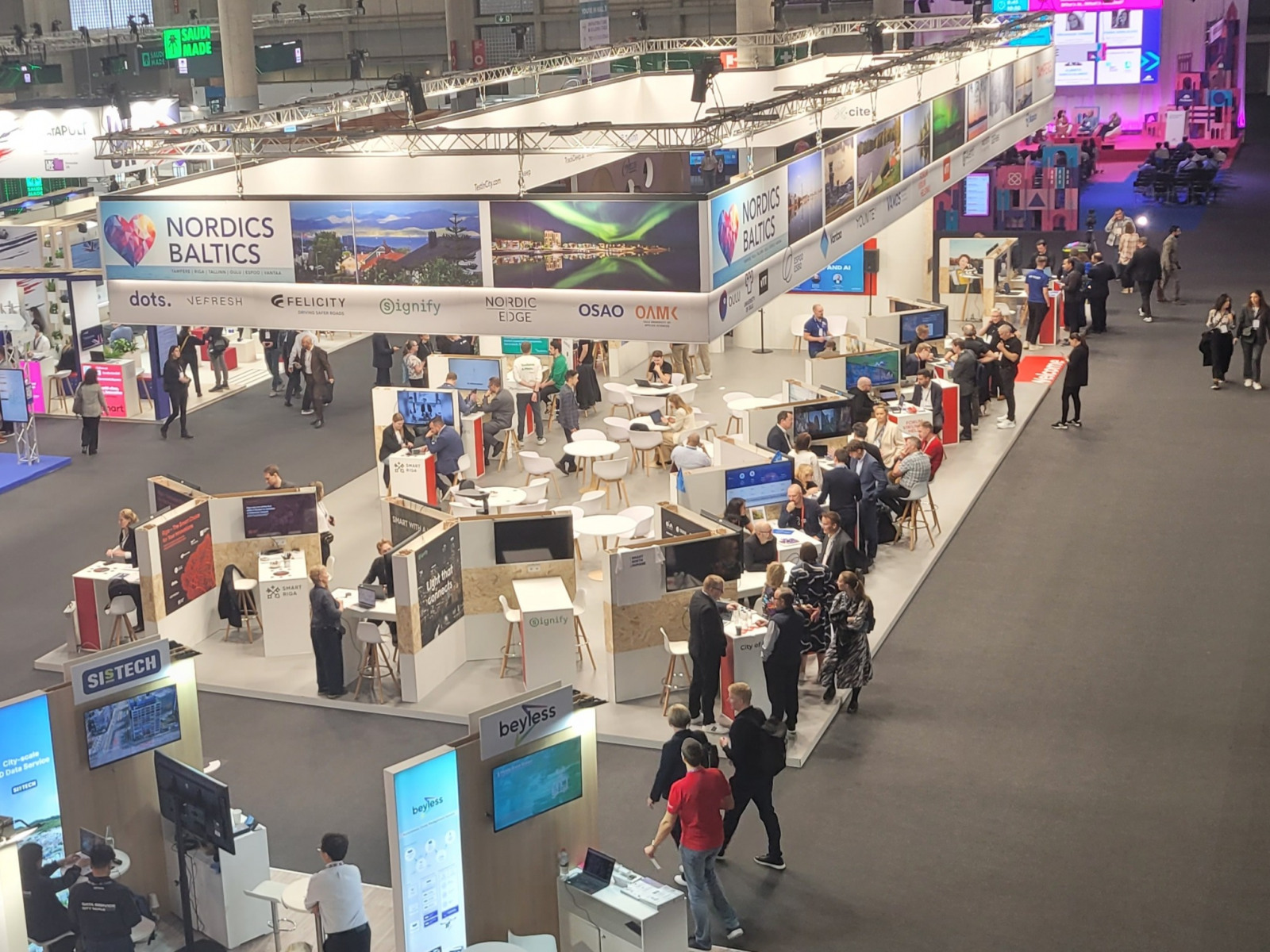
Riga was represented within the Nordic & Baltic Pavilion, alongside delegations from Finland (Helsinki, Tampere, Vantaa, Espoo, Oulu) and Estonia (Tallinn).
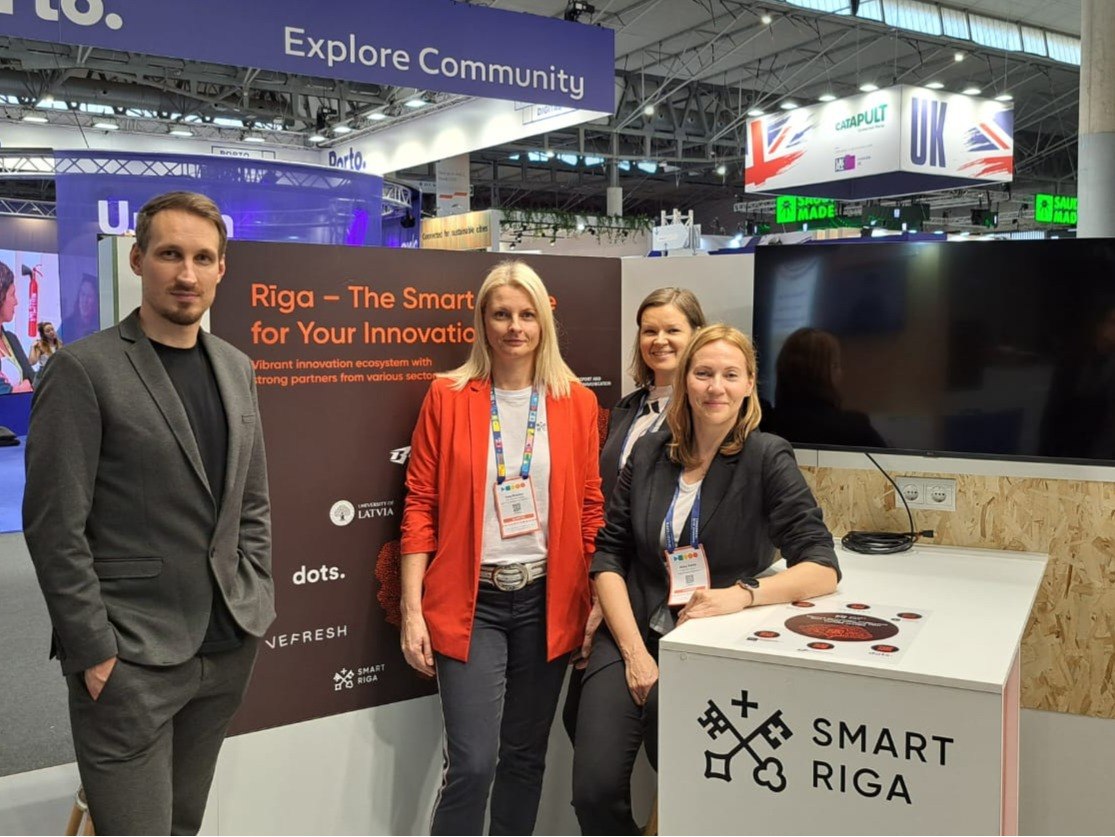
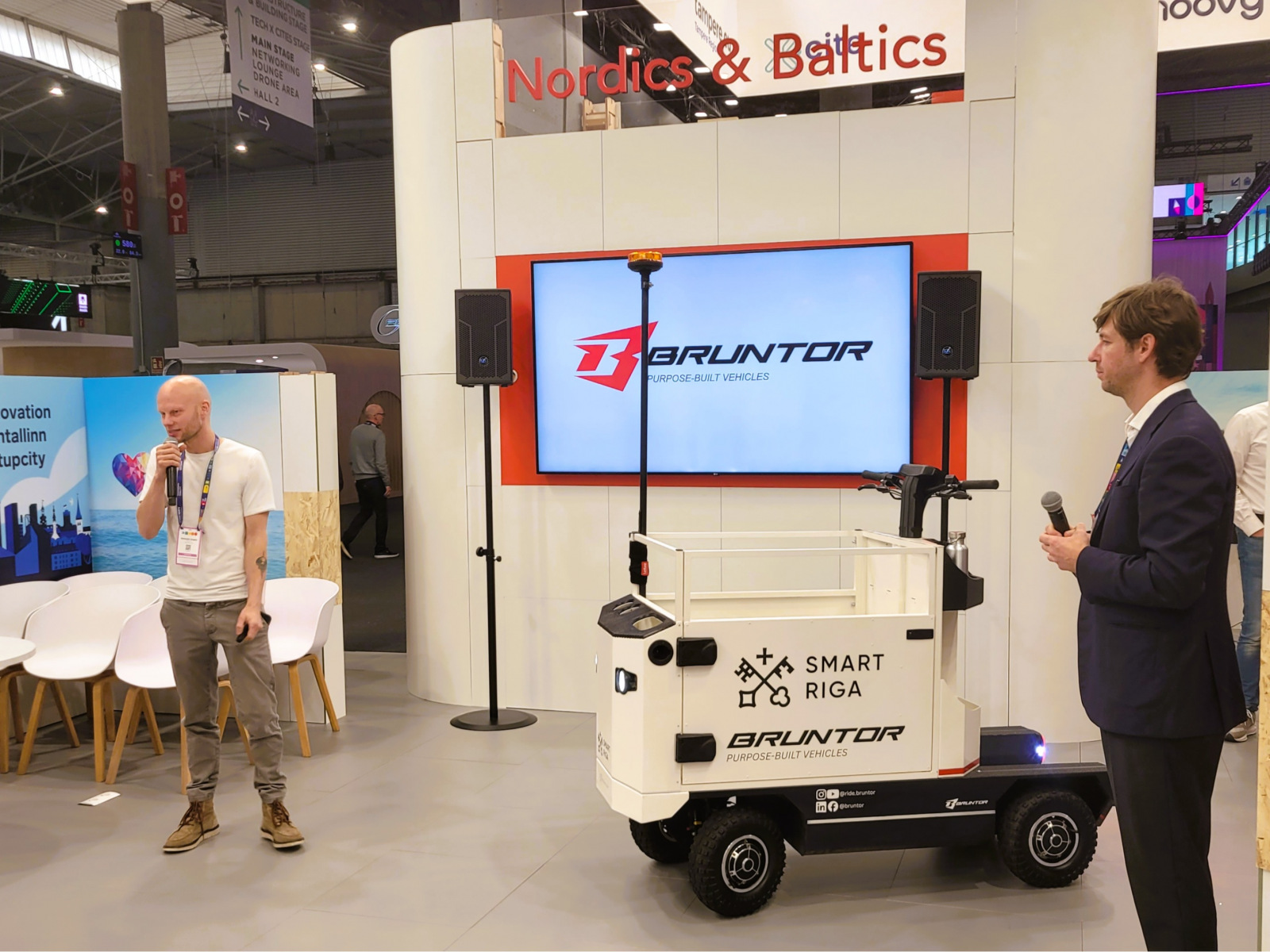
Riga’s Innovation Ecosystem stand included the City of Riga (City Development Department and Riga Digital Agency), the University of Latvia, the Transport and Telecommunication Institute, LMT, WeAreDots, Bruntor, and the innovation platform VEFRESH.
This year’s main goal was to showcase Riga as a testbed for smart solutions, emphasizing the city’s key strengths: openness to collaboration with businesses and academia, access to urban infrastructure and data, and the opportunity to pilot innovative solutions in a real-life urban environment.

Hosted Events and Knowledge Exchange

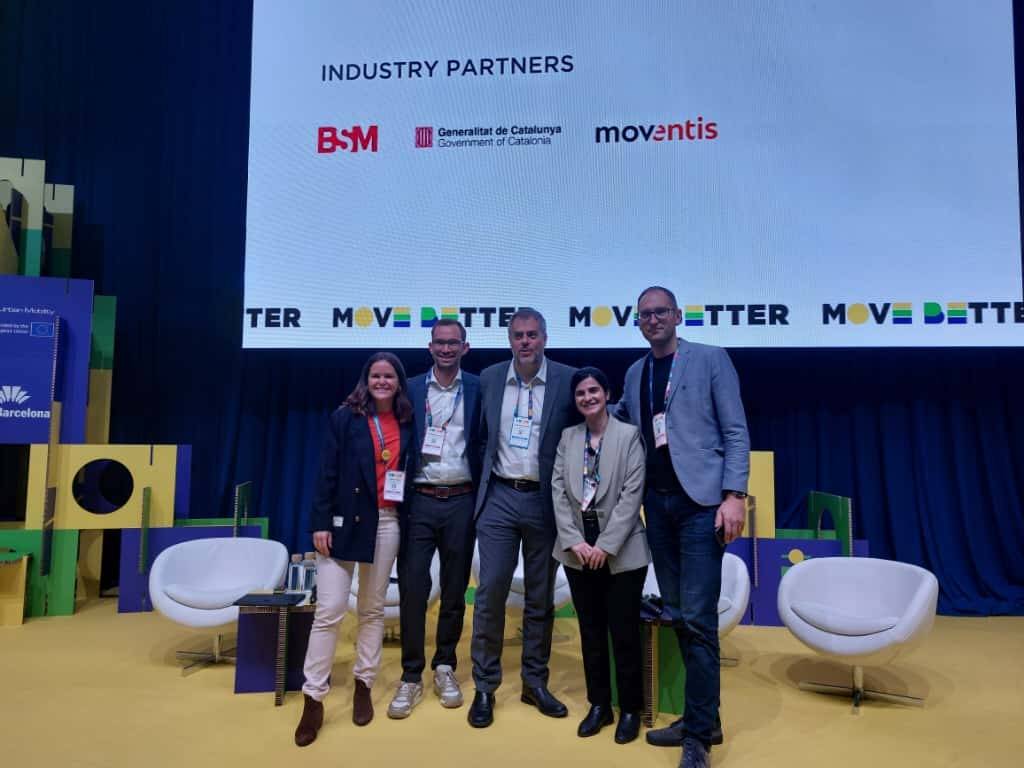
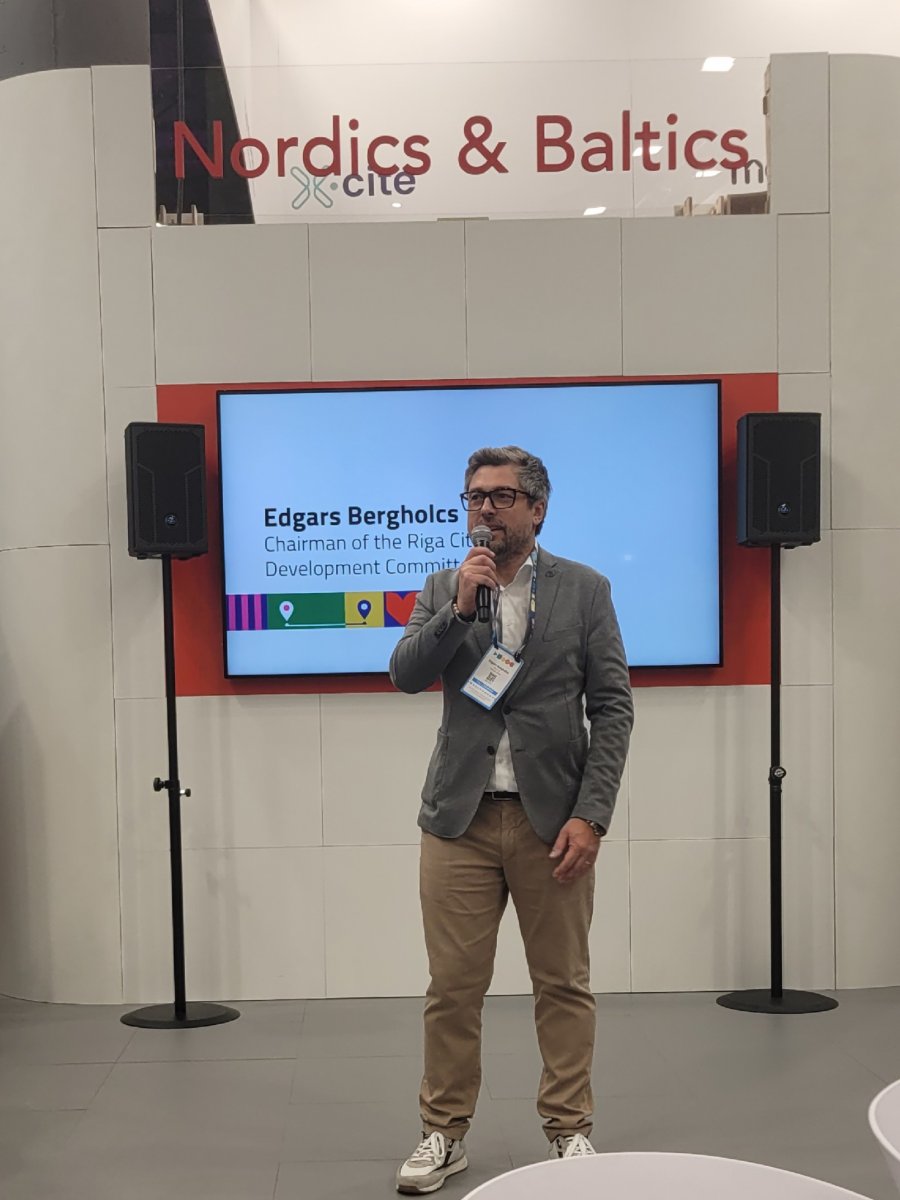
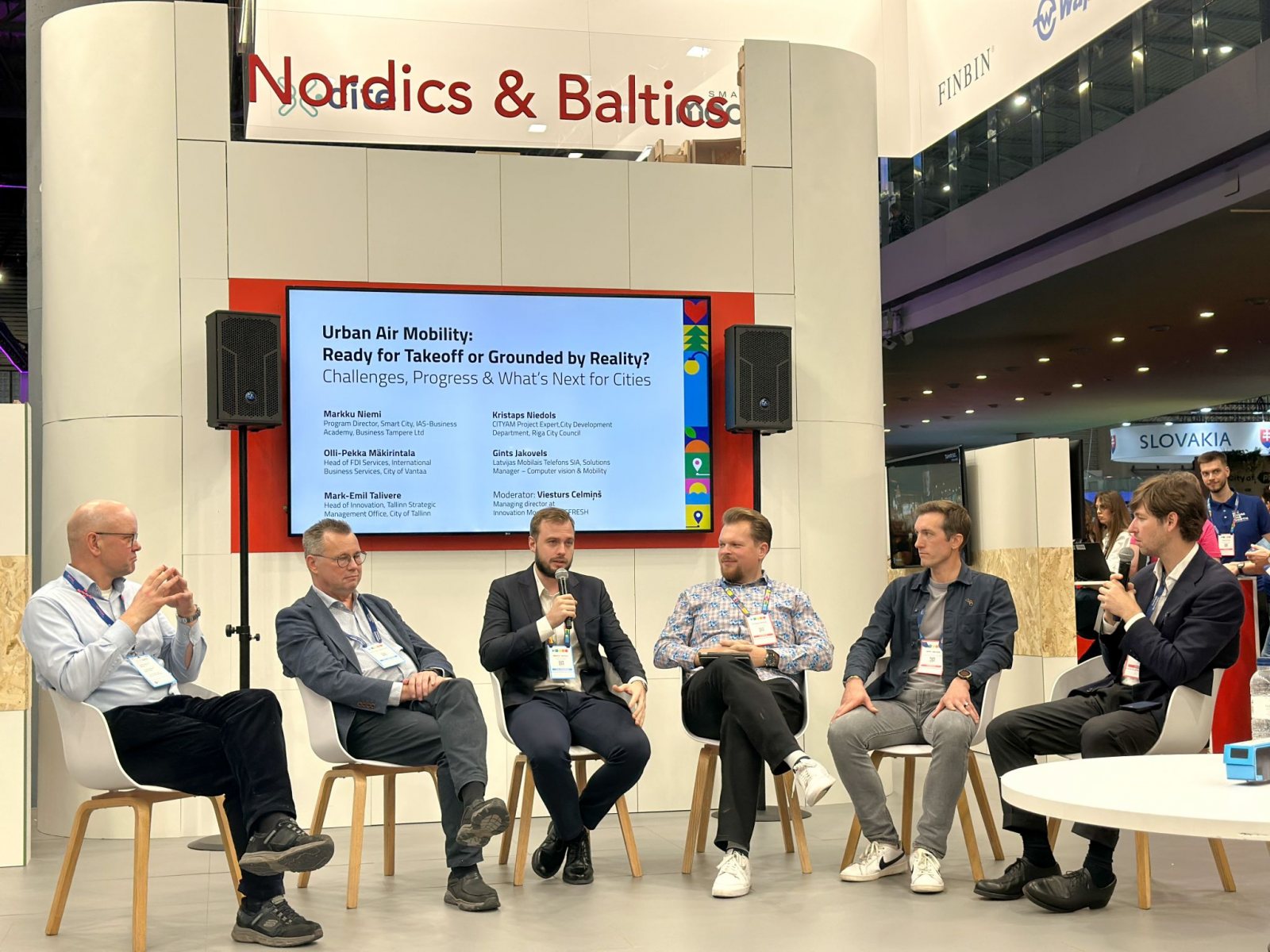
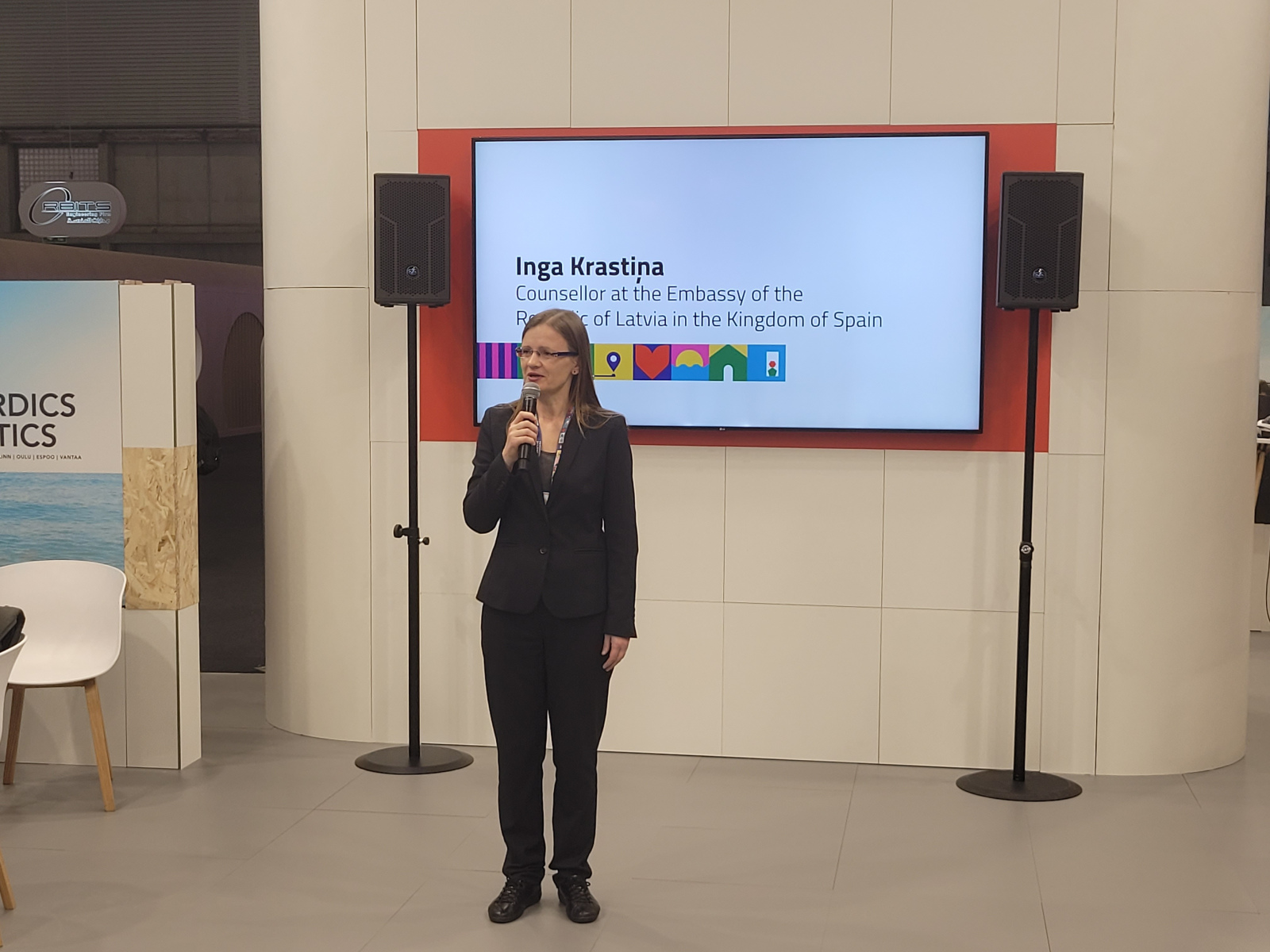
In collaboration with VEFRESH, Riga hosted the official opening event of the Nordic & Baltic Pavilion, attended by representatives of the embassies of Latvia, Finland, and Estonia, as well as municipal leaders. That same day, Riga and VEFRESH hosted the Nordic & Baltic Innovation Ecosystems Event, including the panel discussion “Urban Air Mobility: Ready for Takeoff or Grounded by Reality?” featuring Latvian experts and representatives from Riga’s own 5G-focused urban air mobility projects — 5G4LIVES and CITYAM. The discussion emphasized 5G connectivity, the role of cities in air mobility development, and the need for a unified European regulatory framework for autonomous aerial vehicles, particularly BVLOS (beyond visual line of sight) drones.
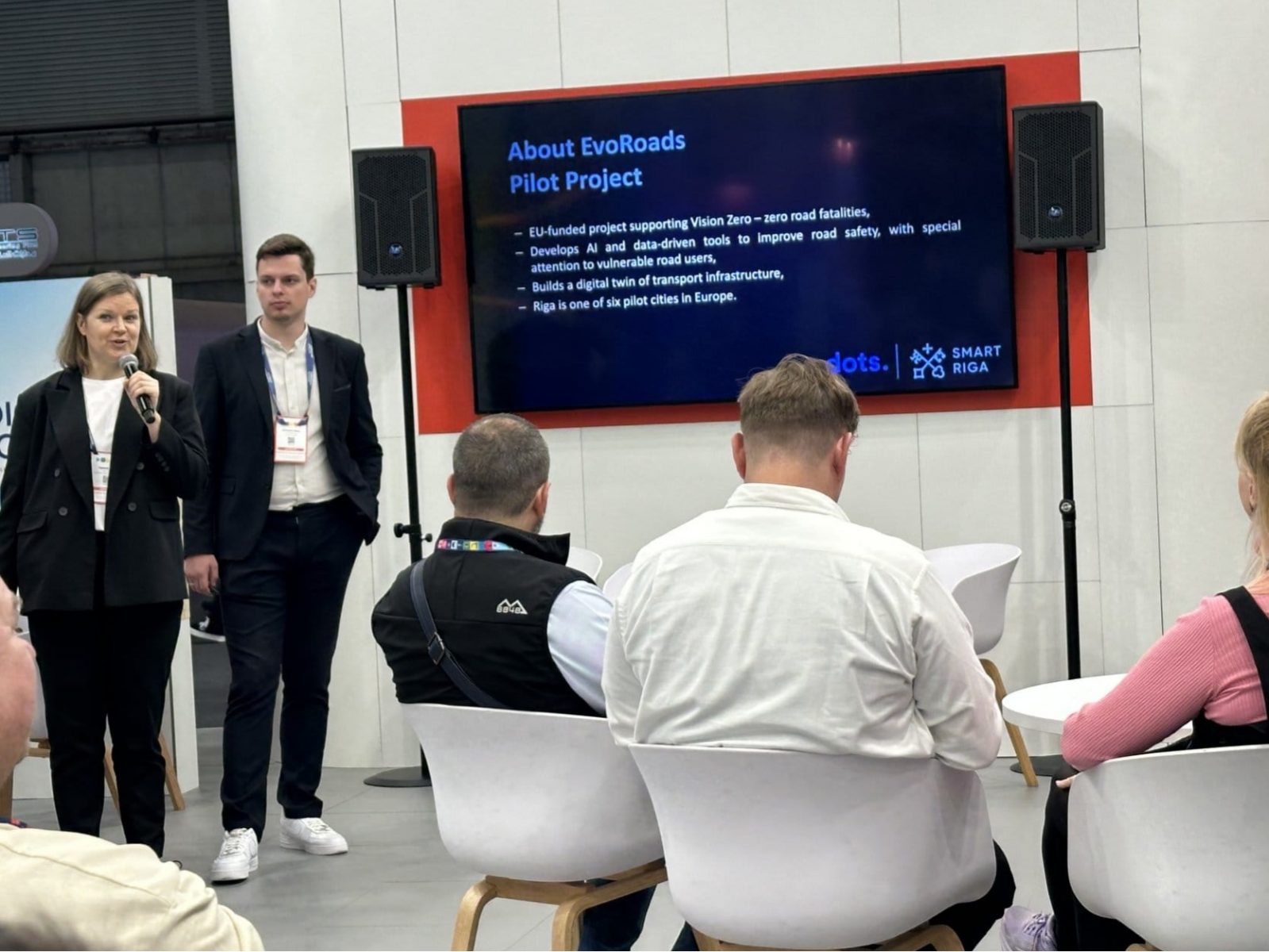
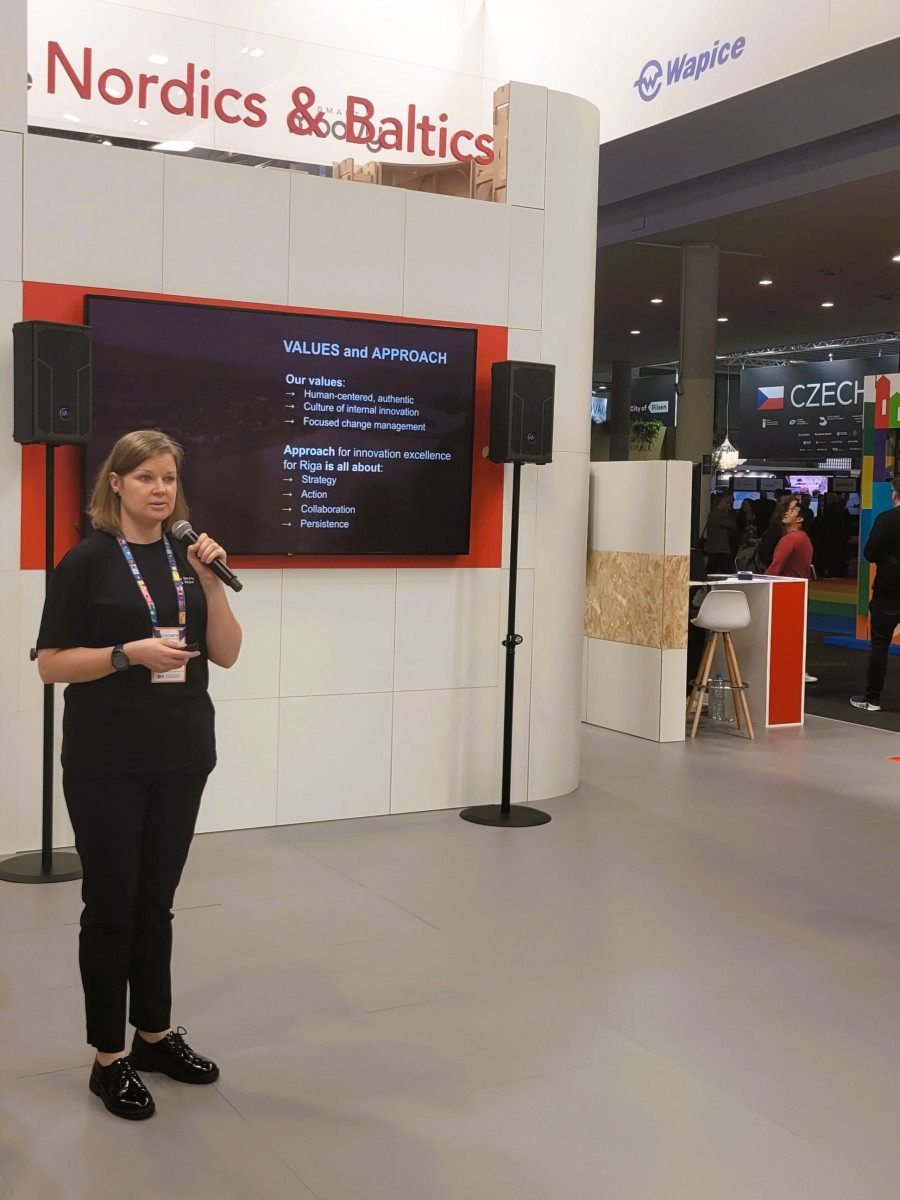
During a mobility session hosted by Forum Virium Helsinki, Riga shared its collaboration with WeAreDots in the EVOROADS project, which uses AI to detect infrastructure damage on cycle paths, with a special focus on protecting vulnerable road users. In the session “IoT Solutions for Cities” organized by the City of Tampere, participants highlighted that technology must enhance, not complicate, people’s lives — demonstrating how IoT and 5G support safer and more sustainable cities. Riga presented its participation in various European cooperation networks (OASC, EDIC, Living-in.EU, ERRIN, Eurocities), reinforcing the belief that the city is a service provider, and the citizen is the user.
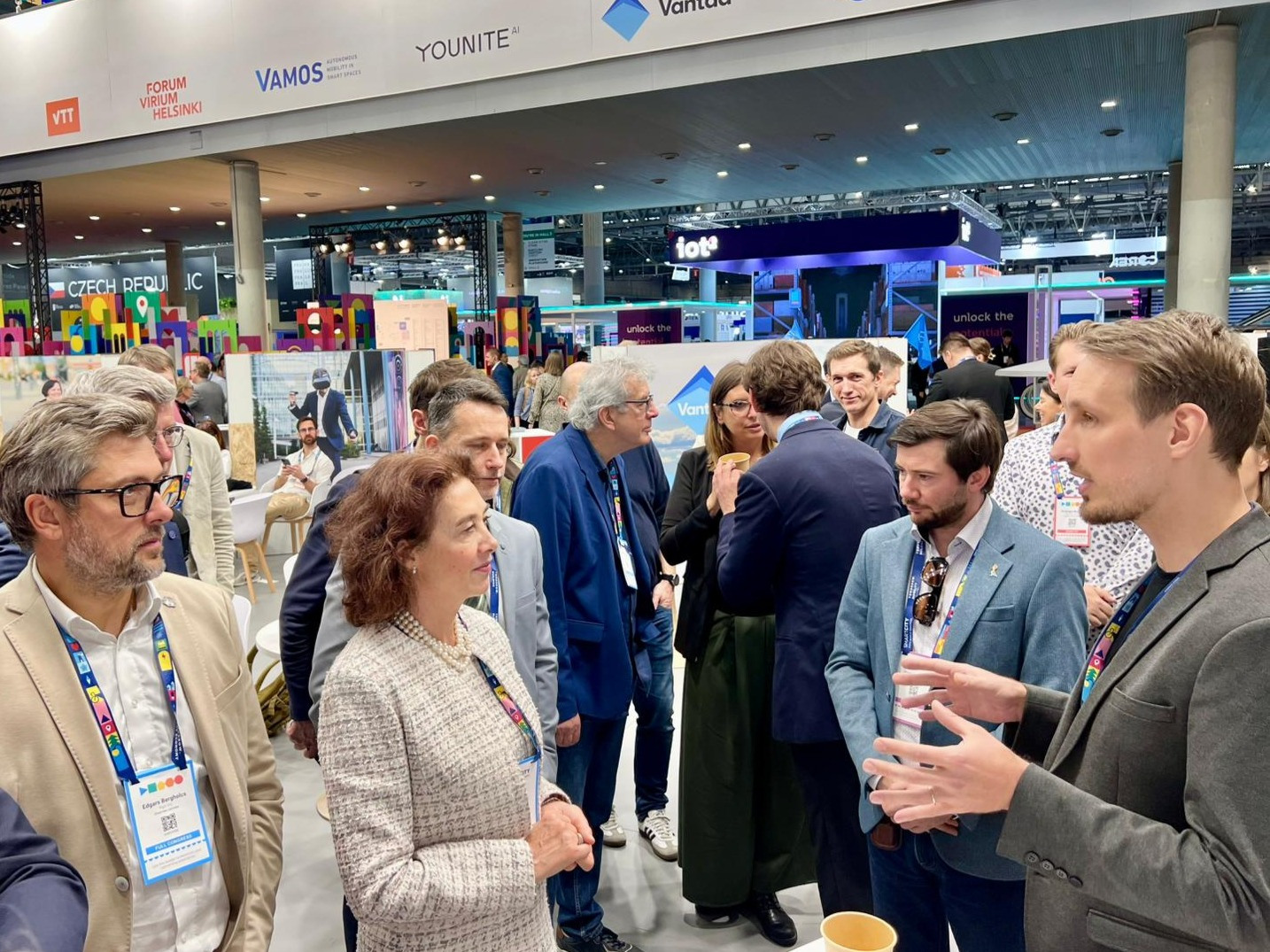
The European Health and Digital Executive Agency (HaDEA) Director Marina Zanchi and her team also visited the Riga stand to learn more about the progress of the 5G4LIVES project and Riga’s broader innovation efforts.

Riga’s Participation in International Panels and Sessions

Riga’s representatives actively contributed to several high-level international sessions:

  • EUROCITIES & Barcelona Supercomputing Centre Roundtable – “Urban Digital Twins: From Vision to Practice”, where cities shared experiences on developing and applying digital twins in urban governance
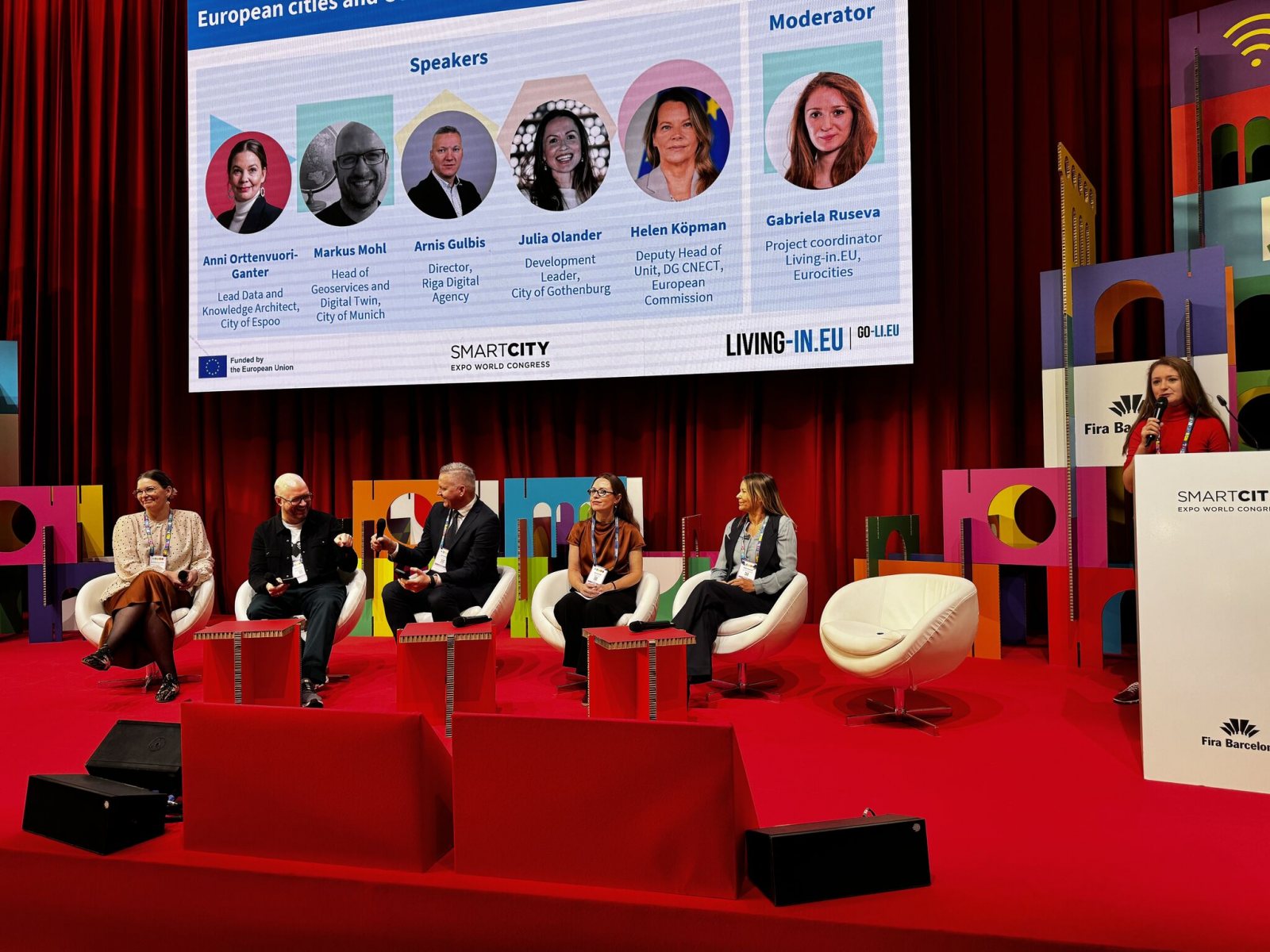
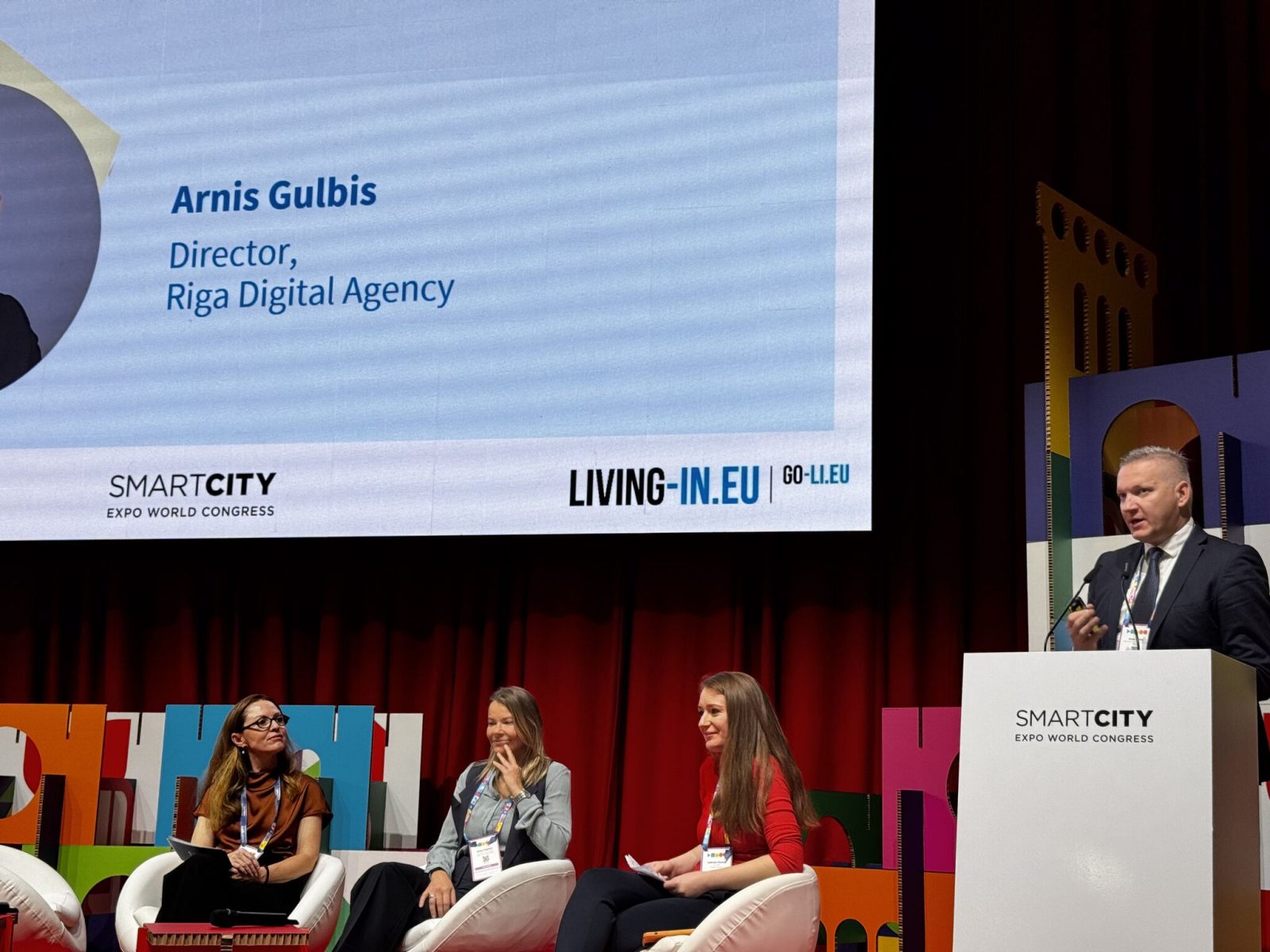
  • Living-in.EU Panel – “European Cities and GenAI: Examples, Challenges and Opportunities”, focused on the potential and challenges of generative AI in public sector use.
  • Open & Agile Smart Cities & Communities (OASC) Panel – “From Silos to Synergy: Local Innovation through Interoperability”, in which Riga, Aarhus, and Fundão shared how data, collaboration, and interoperability are key to digital transformation.
  • International AI Club Roundtable, hosted by the Greater Paris Metropolis, where cities exchanged strategies and visions for using AI in urban innovation.
  • European Digital Infrastructure Consortium (EDIC) session, where Riga emphasized that IoT and digital twins must be human-centered tools for better governance. Riga also announced its coordination of Latvia’s participation in the EDIC Mobility & Logistics initiative focused on the future European mobility data space.

Riga’s Role in EIT Urban Mobility Events

As one of EIT Urban Mobility’s leading partner cities, Riga took part in several closed and public sessions:

  • City Club Advisory Group – discussions on current initiatives and upcoming changes in innovation funding and collaboration models.
  • Closed Session: Shared Autonomous Vehicles – where public transport operators, cities, and companies discussed regulatory, funding, and business model challenges around AVs in Europe.
  • Panel: Rethinking Impact: New Metrics for Smarter Urban Mobility – exploring how to move from traditional KPIs to data-driven, inclusive indicators in mobility projects.
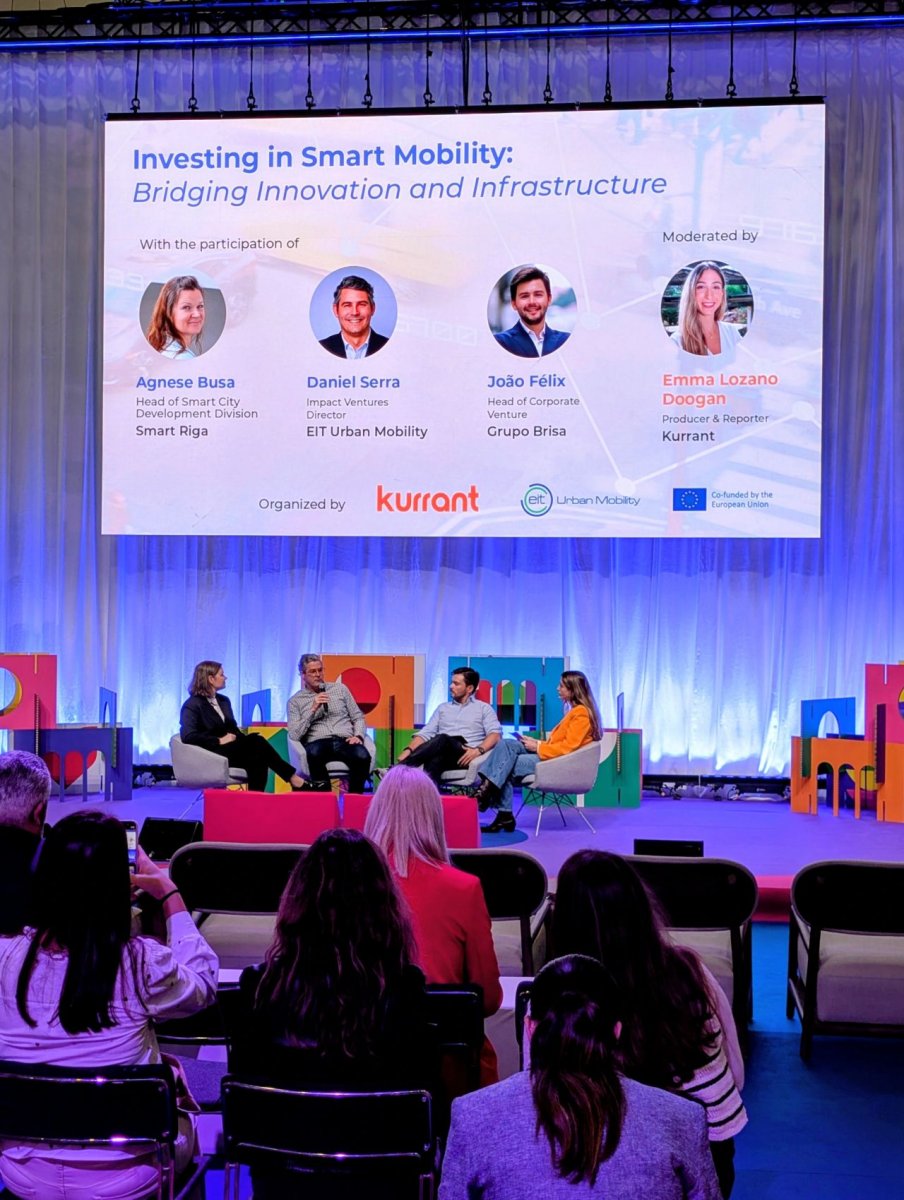
  • Panel: Investing in Smart Mobility: Bridging Innovation and Infrastructure – addressing the funding gap and unlocking wider deployment of smart solutions in cities.
  • Representatives from Rīgas Satiksme visited Barcelona’s tram depot to understand operations and innovations in public transport, and joined a closed session on cybersecurity in cities, emphasizing transport system protection.
  • The Riga stand was also included in the official EIT Urban Mobility exhibition tour, during which representatives from several countries learned about Riga’s smart mobility initiatives and projects.

Why Was This Participation Important?

Riga’s participation in Smart City Expo World Congress 2025 marked a significant milestone in strengthening the city’s international visibility as a smart and future-ready city. The event showcased Riga’s capability as a real-world testbed for innovation, highlighted collaboration between the research, business, and public sectors, and created opportunities to build new and strengthen existing partnerships.
It also provided valuable insights into smart city trends across Europe and globally, offering knowledge, contacts, and project collaboration potential. Most importantly, it confirmed Riga’s readiness to be an active member of the European community of cities, committed to driving digital, inclusive, and sustainable transformation.

Photo gallery:


At the Smart Cities Conference 2025, which took place on September 18 at the University of Latvia’s House of Science, experts from public authorities, local governments and the private sector stressed that the main challenge is not a lack of technology, when it comes to use of data or urban security systems design but rather the people skills to use it effectively and meaningfully.

The Smart Cities Conference was held in Riga for the fourth year to focus on sustainable urban planning, mobility and public safety, highlighting the role of technology and citizen engagement in the development of future cities. The conference was organised by the RTU Science and Innovation Centre in collaboration with the University of Latvia, Riga Municipality, the open innovation movement “VEFRESH” and other partners. The event was organised by the EIT Urban Mobility Innovation Community and supported by mobile technology company “Latvijas Mobilais Telefons”. 
A recording of the Smart Cities Conference can be found here: https://www.youtube.com/watch?v=4dw2ry6RRck

Experts pointed out that in order to promote the use of data in local government, it is important to define how data will be used for the benefit of local government and people. Staff need to be upskilled in working with data and their competences need to be enhanced, and the introduction of new systems means changes to existing processes, so change management and effective data governance are just as important. Often, it is the lack of these aspects that hinders the successful deployment of smart solutions in cities.

Explaining the state policy for the development of smart technologies and innovations, Gatis Ozols, Deputy State Secretary for Digital Transformation at the Ministry of Smart Administration and Regional Development, stressed that smart technologies play an important role in creating a comfortable living environment. The first ten projects, including a mobility data platform in Riga, are already underway with state support. Latvia has also been recognised at international level, with many local governments working in international project consortia with other EU countries. He pointed out that the prerequisites for the development of smart solutions and technologies are a framework for safe testing environments for smart solutions, funding, and competent professionals who can implement solutions in the field.

Anders Bengtsson, Head of the EIT UM North Hub, also stressed the need for industry and science to work hand in hand and for decisions to be based on accurate data, especially when it comes to inclusive and sustainable mobility. For mobility planning, it is important to analyse data in the long term, which will help to find the most appropriate solutions, e.g., how to organise traffic, flows, traffic signals. Telemetry, the technology that allows measurements to be taken remotely, helps in policy-making and urban planning. It promotes equity and sustainability, but requires cooperation, good governance, and a fresh look at harnessing the potential of data.

Access to data and the ability to use it is an opportunity for cities to become more sustainable, more accessible, safer. With the volume of data growing every day, local authorities need to think about collecting, storing and using data in a meaningful way for local development, to improve the quality of services, safety or people’s quality of life. One of the main conclusions of the first part of the conference was that close cooperation between local governments, science and the private sector is essential for data availability and meaningful use, while strengthening public data literacy and addressing the lack of data experts that public and local authorities face when competing with the private sector.

Kyle King, founder and director of Crisis Lab and Capacity Building International, emphasized in his presentation “Mobility and Urban Infrastructure Resilience in Crisis Situations” that great technological ambitions also mean a greater risk of experiencing a technological crisis. In the age of technology, crises can develop rapidly – for example, in the case of cyber threats or energy problems. In such situations, there is often a gap between the speed at which a technological crisis develops and the human ability to make decisions, as decisions usually require time and additional information. King pointed out that every new connection and technological solution brings new opportunities, but at the same time creates new vulnerabilities. He emphasized that cities must be prepared to act in different scenarios, with a clear protocol for how decisions are made in crisis situations. King also called for public involvement, as technological development must go hand in hand with public education, because a large part of society, especially seniors, are still not ready to use digital solutions. He also emphasized that every decision in smart city management must include a crisis management aspect, because no matter what the technology is, responsibility for decisions and actions always lies with people.

The conference included a panel discussion entitled “A Safe City – How to Protect Infrastructure, People and Information,” in which Kaspars Druvaskalns, a specialist in security policy and crisis management at the University of Latvia, and Diāna Korbe, Head of Geomatics at the City Development Department of the Riga City Council. When discussing data management, Diāna Korbe emphasized that local governments have access to a huge amount of data, but the challenge is to be able to use this data effectively. “The city must realize that high-quality services require investment—both in technology and human resources. Often, data management is not given priority, and the need for such investment must be proven,” explains Korbe. She also emphasized that it is essential to shift the focus from the quantity of data to its quality and value in decision-making, keeping the city’s residents in mind. Systemic thinking and uniform security conditions and approaches are also important.

Gints Reinsons, Deputy Head of the Crisis Management Center at the State Chancellery, shared his experience of how technology helps local governments overcome crisis situations. He pointed out that local governments have limited financial resources and cannot build infrastructure capable of overcoming all possible crises. Therefore, the ability to quickly localize damage, prevent the crisis from developing, and restore the city’s functioning as quickly as possible is crucial. Digital technologies, including remote monitoring and artificial intelligence solutions, enable the timely detection of infrastructure problems and ensure rapid action. Real-time data provides information on power outages, traffic jams, weather conditions, and mobility disruptions. He noted that if a city is prepared for extreme weather conditions, it will also be able to cope with other crisis situations.
From September 24 to 26, an international forum was held in Riga, where representatives of national and local governments, researchers, and technology experts from across Europe discussed the use of artificial intelligence, 5G, and drones to improve public safety and urban management.

During the forum, experts discussed issues such as how technology can help create a safer and more inclusive society, and how artificial intelligence and 5G networks can become the foundation for public safety and citizen well-being. Experts also shared their experiences on the ethical use of artificial intelligence and the introduction of technology.

The forum gathered participants from the international projects 5G4LIVES and AI4CITIZENS. These hands-on projects confirm that Riga is no longer just a testing ground for technology, but is becoming a place where innovations are also tested in real-life conditions and provide direct practical benefits to society. The focuses is on how to move from the complex, back-end preparation into practical deployment and impact of 5G enabled services. Moreover, we were pleased to welcome to Riga Pedro Obando, the Project Officer at HaDEA, joining the project partners to catch up on our progress and share recent EU perspectives on 5G community best practices. Our time together ties with the fellow AI4Citizens project, exploring the uptake, opportunities and challenges of adopting AI in the public sector services.

During the forum, on September 25, a drone demonstration took place on Ķīšezers Beach to show the first hands-on results of 5G4LIVES project and how 5G networks, drones, and artificial intelligence can ensure faster response times in emergency situations and help save lives. Equipped with 4K cameras, thermal sensors, and 5G connectivity, drones allow for much faster response times in emergency situations than ever before.

Andrejs Aronovs, Deputy Chief of the Riga Municipal Police, explains the benefits of using new technologies in police work: “Our work often involves responding to unpredictable situations. The 5G4LIVES project allows us to see how new technologies—drones, artificial intelligence, and 5G networks—can become a real help in everyday operations, making assistance more accurate, faster, and safer.”
The aim of the 5G4LIVES project is to save lives and protect the environment by combining drones, artificial intelligence, and the latest data transmission solutions. In Riga, the focus is on rescue operations near bodies of water, while in the partner city of Turin, the focus is on landslide and fire prevention in mountainous areas. The AI4CITIZENS project, on the other hand, addresses how artificial intelligence can become a reliable partner in local government work and helps municipalities develop regulations that ensure the responsible implementation of AI.

The pilot project “Breathe, Riga!” has officially launched. As part of the initiative, schoolchildren from several central Riga schools will participate in a study by carrying air quality sensors on their backpacks throughout the autumn and into winter. These sensors will collect data on air pollution levels in Riga’s city centre.

The project is inspired by “Breathe London”, where local communities help gather air quality data across different London neighborhoods.

Participating schools include Riga Culture Secondary School, Riga Secondary School No. 21, Riga Natālija Draudziņa Secondary School, Riga Secondary School No. 49, and Riga State Gymnasium No. 1. From September through winter, these pupils will collect real-time data as they move through the city in their daily routines. The data will help map exactly where and when air pollution in central Riga is most severe.

This evidence will support smarter, data-driven decisions to improve the city’s air quality through targeted, effective solutions.

Jānis Brizga, a representative of the NGO “Green Liberty” and researcher at the University of Latvia, notes that the project will study not only sensor data, but also the participants’ mobility habits and attitudes: “We’ll assess whether and how young people’s travel behavior changes when they become more aware of air quality in Riga. We’ll explore their views on safety and the environment, and identify which factors — such as infrastructure, parental support, or peer influence — encourage or hinder environmentally friendly mobility. These insights will help us understand what truly works and provide practical recommendations to Riga Municipality for creating a safer, more sustainable urban environment.”

Alongside data collection, students and their science teachers will delve deeper into topics such as:

  • Types and spread of air pollution
  • EU and Latvian environmental policy
  • Data analysis and visualization
  • “Green architecture”
  • The impact of air pollution on human health and ecosystems

Students will then share their knowledge with peers through digital content and in-person events.

“Breathe, Riga!” is being implemented under the NetZero Cities “PilotCities” program by the Riga Energy Agency in cooperation with Green Liberty and the University of Latvia. The long-term goal is to reduce urban emissions and improve air quality by encouraging more sustainable mobility habits.

Currently, private transport dominates in Riga, putting pressure on air quality. Public transport – buses, trams, and trolleybuses – typically causes less pollution per passenger than private cars. Private vehicles are responsible for about 43% of the city’s total CO₂ emissions, with the highest traffic loads observed in and around the city centre. During peak commuting hours, congestion is especially severe, leading to poorer air quality and rising CO₂ levels.

Since October 2023, Riga has been developing an Air Quality Improvement Action Plan for 2026–2030. The city aims to make public transport the dominant mode of transport by 2050. Planned measures include:

  • Expanding tram lines
  • Introducing a unified ticketing system across the Riga region
  • Reducing central city parking
  • Expanding the cycling path network

The goal is to build a more compact, healthier, climate-friendly, and economically resilient city — one where walking, cycling, and public transport are the natural choice for daily travel.

As part of European Mobility Week, Riga City Municipality is launching initiatives that not only encourage residents to reduce daily car use but also provide a chance to explore the smart technologies already used in the municipality’s day-to-day work. 

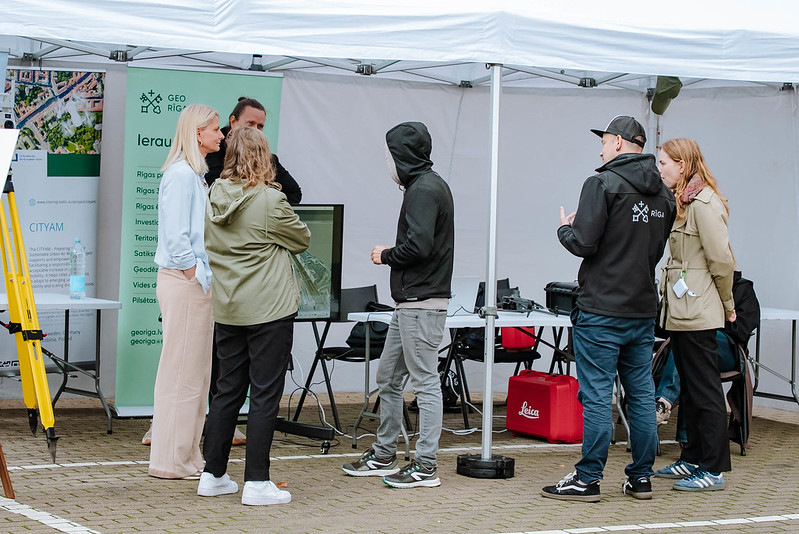
On September 17, from 12:30 to 14:30, the parking lot on Mazā Jauniela was transformed into a space where municipal employees and Riga City Council members could see innovative smart solutions already being used or tested by different city departments. 

For a few hours, the parking lot became a place to relax, meet colleagues in an informal setting, and explore the latest smart technologies that help Riga become a more people-friendly and sustainable urban environment. 

Demonstrating Innovative Technology 

The event aimed to give decision-makers hands-on experience with the technologies used in the daily management of the city. 

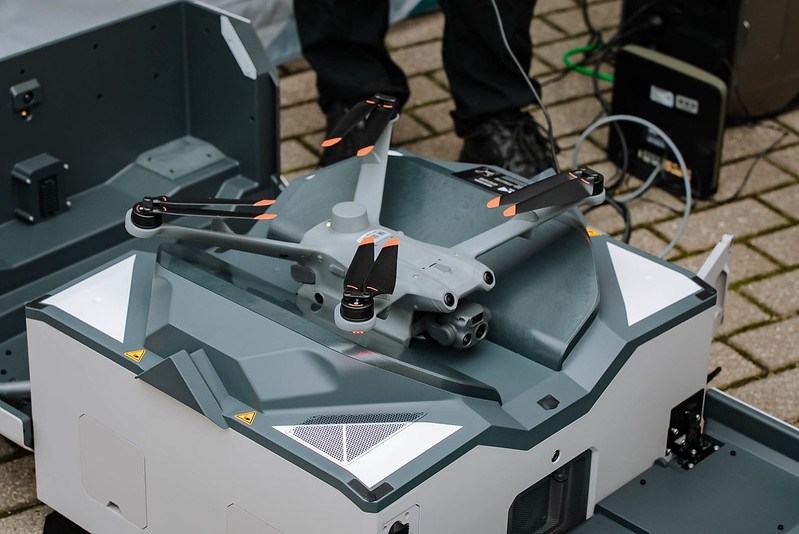
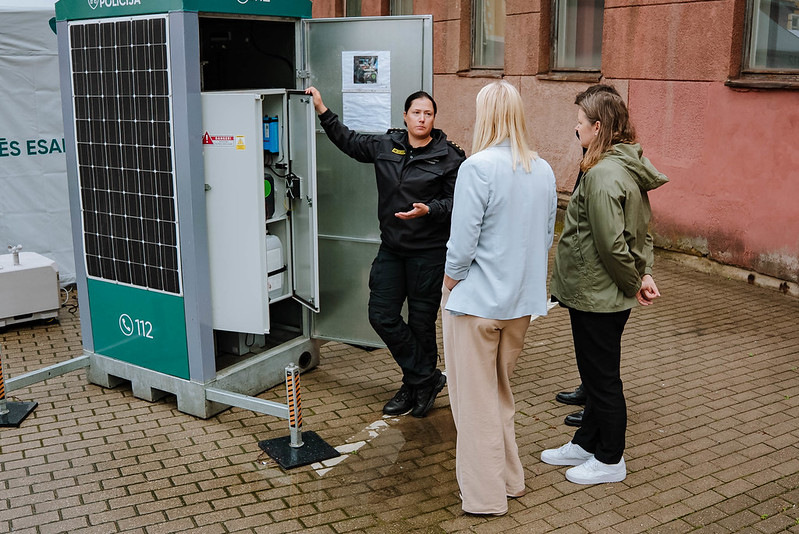
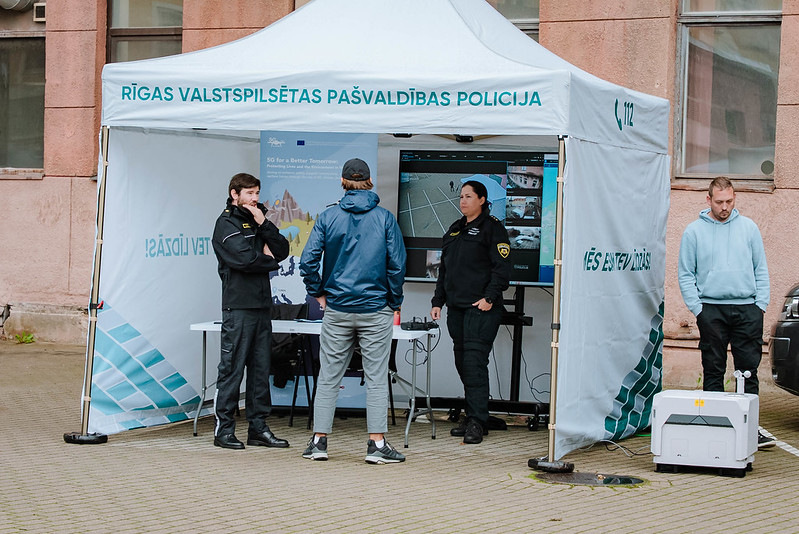
The Riga Municipal Police showcased their drone technology and how it’s used for traffic surveillance and risk management. Specialists from the City Development Department demonstrated how drones are used to collect and update urban data, which is then made available through the city’s geoportal, GEO RĪGA. There residents can view or download the data in the open data section. 

As part of the “Urban Releaf” pilot project, visitors were introduced to portable temperature and humidity sensors used in the citizen science campaign “A Step Toward a Greener City.” 

These technologies highlight the importance of using modern tools to efficiently gather, analyze, and apply data in decision-making. Public involvement in collecting this information is crucial, as it allows residents to actively contribute to improving how the city is managed. 

Trying Out Micromobility Solutions 

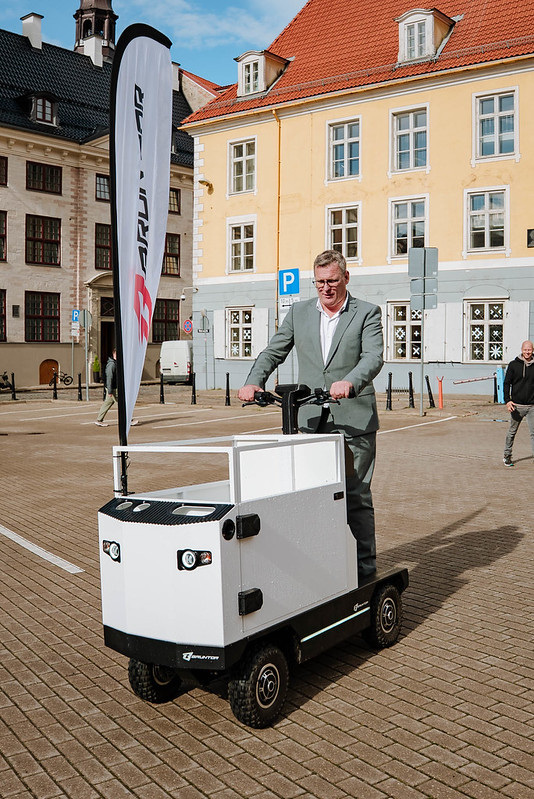
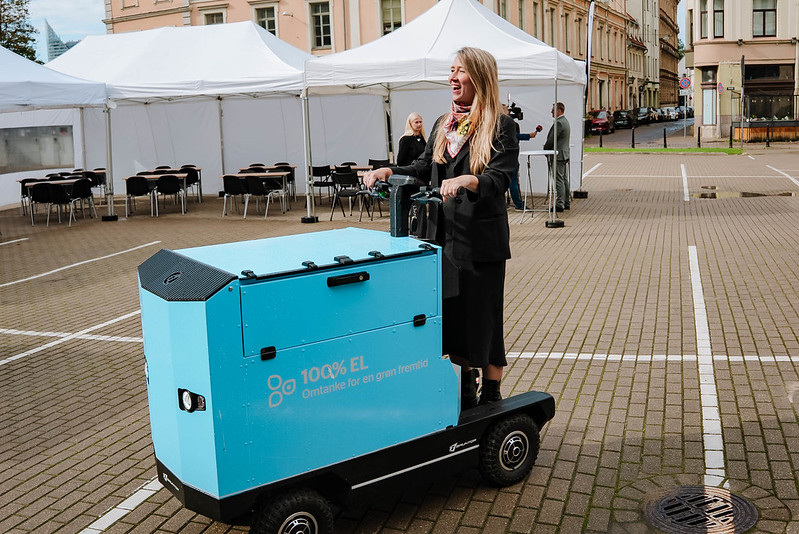
Alongside the demonstrations, visitors had the chance to try out a micromobility solution – the Bruntor cargo e-scooter. This scooter has been tested for street cleaning in Old Riga and maintenance work in Mežaparks. Latvijas Pasts also tested it for last-mile deliveries. Today, the cargo scooter is used both for public space cleaning and is being tested as a valuable support tool at the Riga Zoo. 

Taking Real Steps Toward a Smart City 

Riga’s experience shows that developing a smart city is not just important – it’s essential. The city is actively implementing modern solutions to improve urban life. Smart technologies, open data, and micromobility options have already become part of the municipality’s daily work, helping to make Riga more livable, sustainable, and people-centered. 

These initiatives continued on September 18 with the Smart Cities Conference 2025, held in Riga for the fourth consecutive year. The event focused on sharing new ideas and experiences to make cities smarter, safer, more sustainable, and better for people. 

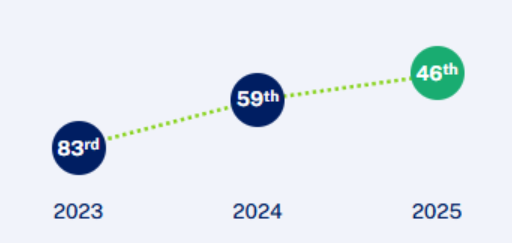
In 2025, Riga climbed 13 positions in the international IMD Smart City Index, reaching 46th place. Over two years, the city has risen a total of 37 positions, reflecting steadily growing public trust in the municipality’s progress toward a modern, inclusive, and sustainable city. In the latest ranking, Riga outperformed several major European capitals, including Barcelona, Athens, Rome, and Brussels. 

The IMD Smart City Index, developed by the World Competitiveness Center, evaluates cities based on both hard data (infrastructure and technological development) and residents’ perceptions of urban life – including public services, mobility, education, healthcare, and governance. 

Riga’s performance in the Index reflects not only the municipality’s strategic efforts but also citizens’ positive assessments of digital services and infrastructure. According to the survey underpinning the ranking, Riga’s residents particularly value online access to public transport information, the convenience of buying cultural event tickets online, and the benefits of public Wi-Fi in improving service accessibility. Moreover, over half of respondents stated that online information has increased their trust in public decision-making. At the same time, citizens identified key areas needing further improvement – particularly housing affordability, transparency in governance, and healthcare quality. 

Detailed results on Riga’s performance are available here: IMD_Smart_City_2025_Report.pdf 

Smart Projects Driving Transformation 

Riga is implementing a wide range of smart city development projects across domains such as mobility, digital infrastructure, sustainable energy, climate resilience, data solutions, artificial intelligence, and social innovation. Nearly 30 projects are currently in progress. Full details can be found here: Projects – Smart Riga .

A key enabler of innovation in Riga is the Municipal Innovation Fund, established in 2022, which provides city institutions with funding to pilot or implement smart solutions aimed at improving public service delivery and internal operations. To date, over 20 pilot projects have been supported in fields such as traffic and mobility, welfare, safety, and environmental accessibility. 

In mobility, the city has tested traffic flow optimization technologies such as “green wave” systems, used accident data analytics to improve road safety, and integrated weather-based traffic risk monitoring. Other initiatives include noise monitoring sensors, freight vehicle overload detection, and IoT-enabled wheelchair lift tracking to improve accessibility. In the legal domain, the Riga Orphan’s Court now uses AI tools for document transcription, translation, and workflow automation. 

Beyond fostering a culture of innovation within municipal structures, the Innovation Fund also enhances institutional capacity and supports employee-led initiatives to improve services. Supporting internal innovation is a critical pillar of governance improvement in Riga, enabling structured and systematic integration of smart solutions across city operations. 

Riga’s Strategic Smart City Vision 

Riga’s commitment to a smart and future-ready city was further formalized on June 18, 2024, when the City Council approved the Smart City Guidelines for 2025–2030. These guidelines serve as a strategic roadmap for innovation policy and technology implementation across the municipality. They prioritize action in key areas: mobility, digital solutions and IoT, 5G connectivity, safety and resilience, smart energy, environmental technologies, health and well-being, and education. 

Riga’s Smart City Vision is to become a city that is comfortable for living, favorable for business, climate-neutral, resilient to crises, and efficiently governed — using data, innovation, and smart solutions to improve quality of life, ensure sustainability, and enhance competitiveness on a global scale. 

A new pilot project in Riga will help monitor one of the city’s most important bridges – the Vanšu Bridge. The Latvian startup Adventum Tech, in cooperation with the Riga Municipality’s Outdoor and Mobility Department, will install an innovative real-time monitoring system called “Digital Bridge” to track the bridge’s structural performance.

The Vanšu Bridge is one of Riga’s busiest transport routes – it is crossed daily by almost 60,000 vehicles and more than 2,000 pedestrians and cyclists. This makes safety and stability especially important for the city’s infrastructure.

As part of the pilot, tilt and vibration monitoring sensors will be installed on the bridge, particularly near the main load-bearing cables. These devices will record how the structure reacts in different conditions – during rush hours, storms, or under temperature changes.

All data will be transmitted wirelessly to Adventum Tech’s analysis platform, where it will be processed in real time. This will make it possible to detect irregularities early and prevent potential risks, ensuring greater safety for both drivers and pedestrians.

The project is part of a broader trend of using smart technologies in city infrastructure monitoring. Adventum Tech has already tested similar systems on railway infrastructure in Latvia, monitoring noise, vibrations, and structural loads.

With this solution, Riga is taking another step towards becoming a modern and safe smart city, where technology helps provide citizens with more reliable and safer services.

Riga is taking an important step towards a more sustainable future – a solar power plant will be built on the grounds of “Rīgas ūdens” at the “Daugava” Water Station on Bauskas Street. The plant will generate green electricity that the company will use for its daily water treatment processes. This project will help reduce the city’s climate impact and cut carbon emissions. In practice, it means that part of the electricity consumed by the station will come directly from solar energy, saving resources and making water supply services more sustainable.

Riga’s water supply system is one of the largest infrastructure networks in the city and consumes a significant amount of electricity. By building this solar power plant, “Rīgas ūdens” aims to reduce the environmental footprint of its water treatment processes and lower greenhouse gas emissions. The solar station is part of a broader strategy for Riga to become a climate-neutral and sustainable city.

The company emphasizes that this is only the first step – similar projects are planned at other infrastructure facilities in the future, such as the “Daugavgrīva” wastewater treatment plant. This means that more and more of the services we use daily will be powered by environmentally friendly energy.

The construction of the solar power plant is planned to be completed by April 30, 2026. The total eligible project cost amounts to EUR 1,087,355.09, including EUR 706,780.81 from the European Regional Development Fund (ERDF).


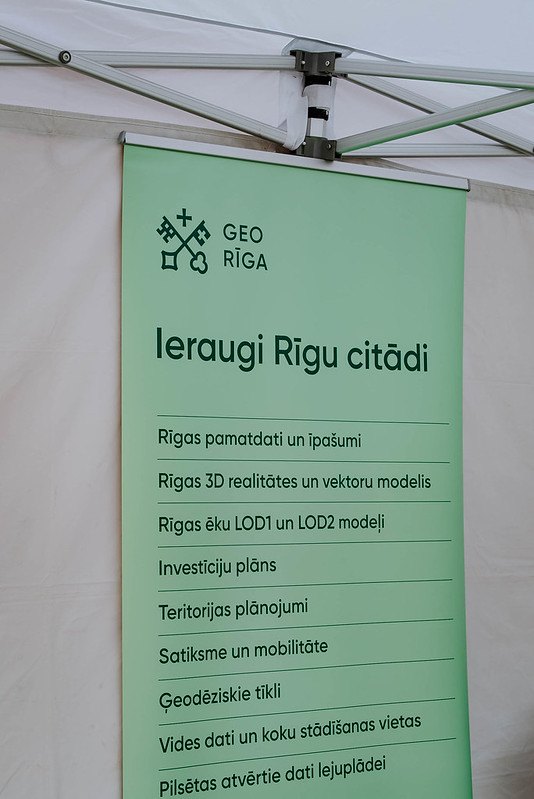
The Riga City Council’s geospatial data portal GEO RĪGA (georiga.lv) has received international recognition by being awarded the Special Achievement in GIS (SAG) Award from Esri, the world’s leading geographic information system (GIS) software developer. This is one of the highest recognitions globally in the field of GIS.

The award is a significant international acknowledgment of GEO RĪGA’s quality, strategic vision, and technological excellence. The portal was recognized for its innovative application of GIS technologies — particularly for its outstanding achievements in visualization, public engagement, data processing workflows, and cross-sector collaboration.

Diāna Korbe, Head of the Geomatics Board at the Riga City Development Department, expressed her satisfaction:

“This award is a major recognition of our contribution to the application of GIS technologies. It marks an important success not only for the City of Riga and its digital governance, but also for Latvia as a whole, showcasing data-driven governance on a global scale. It is also a recognition of the entire team behind the GEO RĪGA portal and its solutions that enhance data accessibility, transparency, and user experience.”

Gunta Grūbe, Head of the Geospatial Data Management Division, added:

“The award is a strong motivator for our team and colleagues to continue exploring opportunities in data management using both simple tools and advanced technologies such as artificial intelligence and 3D. We are proud that highly qualified specialists and multiple municipal institutions are involved in the preparation of geospatial data in Riga, making this data a reliable aid for daily operations and decision-making.”

Esri annually grants the Special Achievement in GIS (SAG) Award to organizations that demonstrate outstanding, innovative, and socially significant applications of GIS. The award is personally presented by Esri founder Jack Dangermond, and only about 1% of Esri’s 100,000+ clients worldwide receive this distinction.

The winners were announced and celebrated during the Esri User Conference 2025, the world’s largest gathering of GIS professionals, that took place from 15–19 July 2025 in San Diego, California (USA). The event brings together more than 15,000 participants from over 130 countries.

More information about the conference and the list of award recipients is available here:
https://events.esri.com/conference/sagList/?fa=List&awardyear=2025

On Wednesday, June 18th, Riga City Municipality approved the Riga Smart City Guidelines 2025-2030, which will serve as a strategic roadmap and policy planning tool to ensure a unified approach to innovation and technology development.

The guidelines are a roadmap for Riga municipality, which will allow the city to develop strategically in its priority areas. Over the next five years, mobility, data solutions, Internet of Things (IoT), 5G connectivity, security and resilience, smart energy and innovative environmental technologies, healthcare and well-being and education will be the key priorities for the city’s smart city development.

Riga Smart City’s vision is to use data, innovation and smart solutions to create a liveable, business-friendly, climate-neutral, efficient and resilient city that improves both people’s everyday lives and the city’s global competitiveness.

Achieving this vision requires a smart and deliberate approach with specific, planned and targeted municipal actions and resource investments in smart city development, which is why the guidelines include specific objectives, action plans, necessary investments and expected results that will help ensure efficient use of municipal resources and city management.

A smart city is a city that makes effective use of data, information and communication technologies and innovation for sustainable development and to improve human well-being, safety and quality of life.

The Guidelines are based on the Cabinet of Ministers’ Order “Digital Transformation Guidelines 2021-2027”, which states that municipalities shall systematically develop and implement smart city solutions, establishing a framework, framework and structure for the integration of technology in municipal work.

The Riga Smart City Guidelines 2025-2030 were developed by the Riga City Council’s Urban Development Department. The guidelines and directions were subject to a month-long public consultation process, including discussions with experts from the fields of technology, innovation, academia and public administration. The Riga Smart City Guidelines are available on the Riga City Council website in Latvian here.